
Gynecomastia in Skinny, Muscular, and Overweight Men

Gynecomastia can catch you by surprise, no matter your body type. Many men feel confused or frustrated when they see changes in their chest, especially when diet or exercise does not help. At the Atlanta Gynecomastia Center, our team works with men who are very lean, extremely fit, or overweight, and we understand that gynecomastia does not discriminate based on body shape.
Our approach is to look at the whole person, not just the symptoms. Whether you have a flat stomach or extra pounds, gynecomastia is a medical issue and not a reflection of effort or willpower. This article will help you understand why gynecomastia happens, what treatment options exist, and how we tailor care for skinny, muscular, and overweight men alike.
Key Takeaways
Gynecomastia: Not Just a Weight Issue
Many men believe only those who are overweight can develop male breast enlargement. This is not true. Gynecomastia refers to an increase in male breast gland tissue, not just extra fat.
Gland Tissue Versus Fat Tissue
Breasts develop in both men and women before birth. In men, a small amount of breast gland stays dormant. Gynecomastia means this gland tissue grows, usually because of hormone changes, and can look different from simple fat.
You can see gland tissue in men at any size, sometimes hidden under fat or muscle. Fatty tissue alone does not count as gynecomastia. This is called pseudogynecomastia and usually responds to weight loss.
Causes at Any Size
Hormone imbalance stands as the core reason for most cases. You may have never gained weight, but still see signs, which reflects how hormones, medicines, and genes all play a role, sometimes no matter your lifestyle.
Prescription drugs, some health conditions, and even natural hormone pulses during puberty or aging can cause gland growth out of sync with the rest of your body’s shape.
The Three Main Body Types and Gynecomastia
Gynecomastia does not look the same on all men. The problem can appear, feel, and behave very differently on skinny, muscular, or overweight bodies. Here is what you should expect, depending on your frame.
Skinny Men
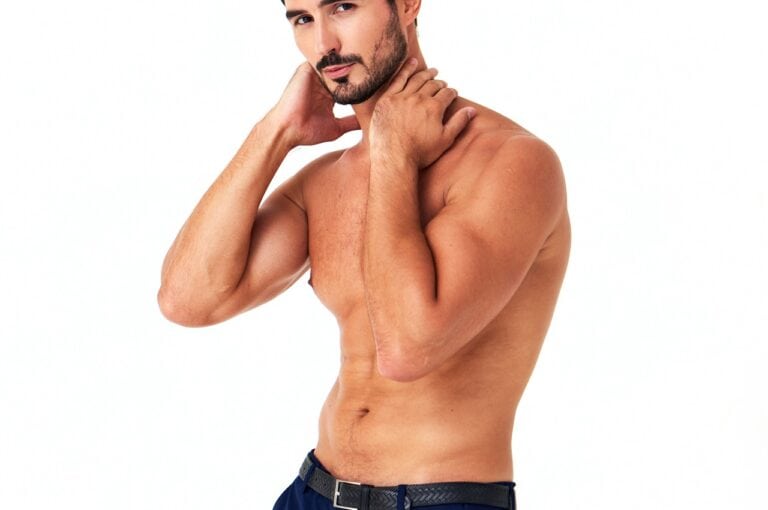
Thin men often feel shocked to see a bump around the nipple or a full breast. You may see the area much more clearly, since there is little fat to hide gland growth.
A lean torso makes even small glands look pronounced. Gynecomastia is not rare in teens and twenties, even among those with little body fat. Puberty-related hormone shifts and genetics can play a strong part.
Muscular Men
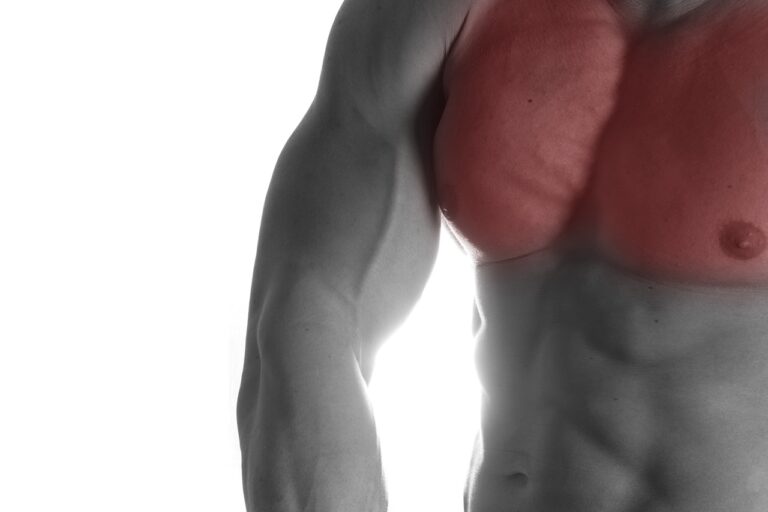
Muscular men often find that muscle building with gynecomastia doesn’t get rid of stubborn tissue. Developing the chest muscles can actually push the gland forward, making it stand out more.
Bodybuilders sometimes confuse gynecomastia for a “bad chest day” or a puffy nipple caused by chest workouts. You may see peaks or rounded borders that do not match the muscle itself.
Anabolic steroids and hormone supplements can increase the risk. Even without supplements, natural hormone ups and downs paired with lower body fat can bring out the gland more clearly.
Overweight Men
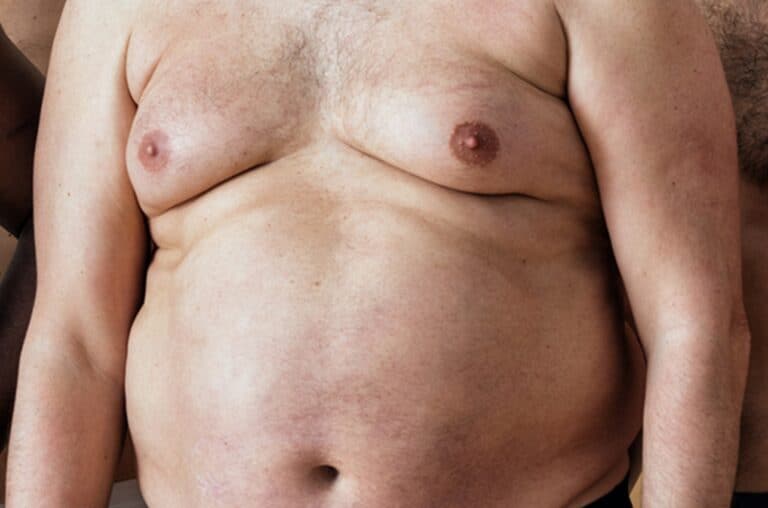
Extra body fat can cause fat tissue to build up in the chest. This sometimes hides the gland but, in true gynecomastia, the breast feels firmer or has a small mound beneath the nipple.
Men with a high body fat percentage may have both enlarged glands and excess fat, so treatment planning needs a careful approach. Weight loss may help with fatty tissue but does not reverse gland tissue growth.
The Main Causes of Gynecomastia
Our team helps you figure out what caused your gynecomastia, since this affects your plan and results. Factors can overlap across body types, but knowing which matter most to you helps us recommend targeted solutions.
Common Causes
Men experience gynecomastia for several well-studied reasons. Here are some main causes:
- Hormonal Fluctuation: Changes in testosterone and estrogen levels can cause gland growth. This remains the most frequent cause across all ages and body types.
- Medications: Certain drugs for high blood pressure, depression, heart disease, ulcers, and even hair loss can trigger breast growth as a side effect.
- Anabolic Steroid Use: Bodybuilders or athletes who use synthetic hormones for muscle growth sometimes notice chest swelling and tenderness because of this.
- Genetics and Medical Conditions: Underlying health issues like low testosterone, pituitary problems, or inherited hormone imbalances can play a key part.
- Recreational Substances: Alcohol, marijuana, and some illicit drugs raise estrogen or lower testosterone, which can increase risk.
- Obesity: Extra fat changes hormone levels and, in some cases, leads to fat and gland enlargement in the chest.
Our doctor discusses these causes with you in detail, since knowing the main factor shapes your care plan.
Symptoms and How Gynecomastia Feels
Symptoms may look or feel different depending on body type and how much gland tissue or fat you have. Patients often feel frustrated by the emotional effects, which matter just as much as the physical changes.
What You Might Notice
You may feel a small, rubbery lump under the nipple, or notice tenderness as gynecomastia develops in the area. Swelling can lead to puffiness around the areola. Clothing may fit differently, and the chest may look uneven compared to the rest of your physique.
In skinny men, the growth can create a sharp contrast. Muscular men often see a rounder look, not in line with the muscle definition. Overweight men may feel a mix of firmness and soft tissue.
Pain is rare but can happen. If you notice sudden soreness, rapid growth, or a hard mass, you should call our office to rule out rare but serious issues.
Emotional Effects
Gynecomastia often causes embarrassment, anxiety, or frustration, especially when diet and exercise do not help. You may avoid certain activities like swimming or taking off your shirt, which can hurt confidence and quality of life.
How Our Surgeon Diagnoses Gynecomastia
Our care team provides detailed, private exams that look at both your physical health and your goals. Accurate diagnosis helps ensure you pursue the right treatment, rather than wasting time and energy on approaches that do not work for you.
Physical Examination
The process begins with a careful, respectful exam of your chest and armpits. Our surgeon gently checks for gland tissue, measures your body fat, and looks for signs of medical conditions that can mimic gynecomastia.
Each patient receives a tailored assessment, since a lean body or high muscle mass can make gland tissue harder to feel or see. We often use your health history and current medications as clues.
Imaging or Blood Tests
Most patients receive a diagnosis from the physical exam alone. In some situations, we may order an ultrasound or simple blood tests to check hormone levels or rule out rare underlying conditions. This is especially helpful if you are otherwise healthy, not overweight, and still develop noticeable gland growth.
Treatment Options for Different Body Types
Our approach to gynecomastia surgery and care changes based on your starting point, chest shape, and goals. The same basic principles apply, but a highly personalized plan leads to a smoother recovery and better results.
Who Benefits Most from Surgery
Men who have true gynecomastia, with firm gland tissue that does not disappear with weight loss, are the best candidates for surgery. If you have only extra fat in the chest, weight management and exercise may help instead.
Surgery is not always needed, but many men choose it for freedom from embarrassment or to improve the fit of their clothes.
Types of Surgical Approaches
Several methods exist to treat gynecomastia, but your body type helps decide the best option.
- Gland Excision: This technique targets firm, rubbery gland tissue under the nipple. It works especially well for skinny and muscular men who have low body fat but visible gland growth.
- Liposuction: This removes fatty tissue in the chest and helps overweight men or those with mixed fat and gland issues. In some cases, our surgical team combines this with gland excision.
- Combination Surgery: Many patients see the best results from a blend of both methods. This approach allows us to sculpt natural contours and avoid “sunken” or uneven areas.
Our surgeon explains these options at your consultation. The approach depends on your frame, goals, and the amount of tissue present.
Non-Surgical Treatment
Medicine rarely leads to a cure for established gynecomastia, unless the underlying cause is very new or quickly reversible. Adjusting medications or treating hormones may help in some young patients, but most men need surgery for lasting results.
Preparing for Surgery at Any Size
If you decide to move forward, our care team helps you get ready for safe and successful surgery. The main steps apply no matter your body type, though certain details may change based on weight, medical history, and fitness level.
Planning and Pre-Op Instructions
Our coordinator walks you through each part of the process, starting with a consultation to discuss your history and goals. Lab tests, prescription reviews, and guidance on lowering risk will be part of your personalized plan.
You may need to adjust certain medications or pause supplements for a short time before surgery. If you use steroids or other hormone products, talk with our team so we can help you prepare safely.
Most patients do not need to lose weight for surgery, but our doctor may recommend this if it improves your health or results.
What to Expect from Recovery and Results
Every patient recovers at their own pace, but knowing the usual milestones gives you confidence. Our team stays involved at every step to support a smooth process.
Immediate Recovery
Most men go home the same day and need just a few days off work. Swelling, bruising, or numbness may last up to three weeks. You can resume light activities in two to three days, but should avoid heavy lifting for at least three weeks.
Compression garments help reduce swelling and improve contour. They also protect your results as the tissue heals.
Timeline for Healing
The chest shape improves over several weeks. Swelling drops slowly, revealing your final result by about the eight-week mark for most men.
Slim patients may see definition sooner, while men with more body fat may notice changes at a slower pace. Any scars usually fade over several months, with most patients seeing significant improvements by the three- to six-month mark.
Results and Satisfaction: Real Patient Experiences
Treating gynecomastia often gives men a major boost in confidence and comfort. Our surgeon tracks your progress closely and celebrates each improvement with you.
Benefits Across Body Types
Skinny men notice flatter chests and fewer stares or questions from others. This brings peace of mind and makes exercise or fitted clothing easier.
Muscular men regain confidence in taking shirts off at the gym or pool, and muscle definition appears sharper.
Overweight men find it easier to lose weight, since shame about their chest no longer limits their workouts or clothing choices.
Emotional and Social Changes
Many patients report feeling less self-conscious and more outgoing after surgery. Relationships and athletic opportunities often improve, since you may no longer feel the need to hide your body.
Long-term results stay stable, as long as you keep healthy habits, avoid hormone supplements, and follow up with our team as needed.

Healthy Habits After Gynecomastia Surgery
Building good habits after surgery helps maintain your results and promote wellness. Our team guides you through every stage and supports your new lifestyle.
Key Tips to Follow
- Stay active: Gentle exercise supports blood flow and healing once our doctor clears you.
- Eat a balanced diet: Good nutrition helps reduce swelling and speed up tissue repair.
- Avoid hormone drugs: Do not use anabolic steroids or hormone boosters without medical advice.
- Monitor weight: While weight alone does not cause gynecomastia, staying at a healthy body fat level supports your result.
- Schedule check-ups: Regular follow-up visits help us ensure your chest shape and health stay on track.
Small habits make a big difference in keeping your chest flat and natural-looking as you heal.
Common Questions About Gynecomastia in Different Body Types
Patients have many worries about surgery, safety, and results. Here are answers to some of the most common questions we discuss at the practice.
Redefine Your Chest at Any Weight or Fitness Level
Gynecomastia is a medical condition that affects men of all sizes and activity levels. At the Atlanta Gynecomastia Center, our team respects your journey and provides personalized, expert support.
You never need to hide or accept discomfort about your chest just because of your body type. Many men have achieved real change, improved confidence, and long-lasting freedom from male breast enlargement after a safe, straightforward procedure.
If you have concerns about your chest or wonder if surgery is right for you, reach out to schedule a private consultation. Our caring team is ready to answer your questions and help you move forward toward a more confident, active you.