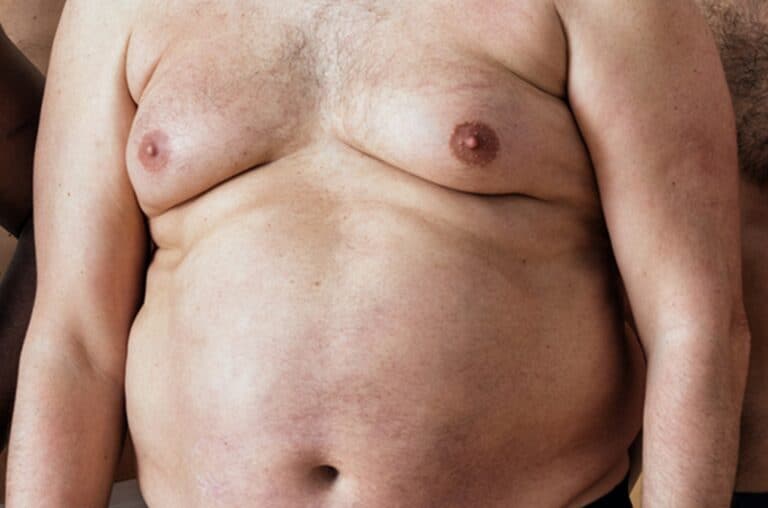

Does Gynecomastia Hurt? And Why it Occurs
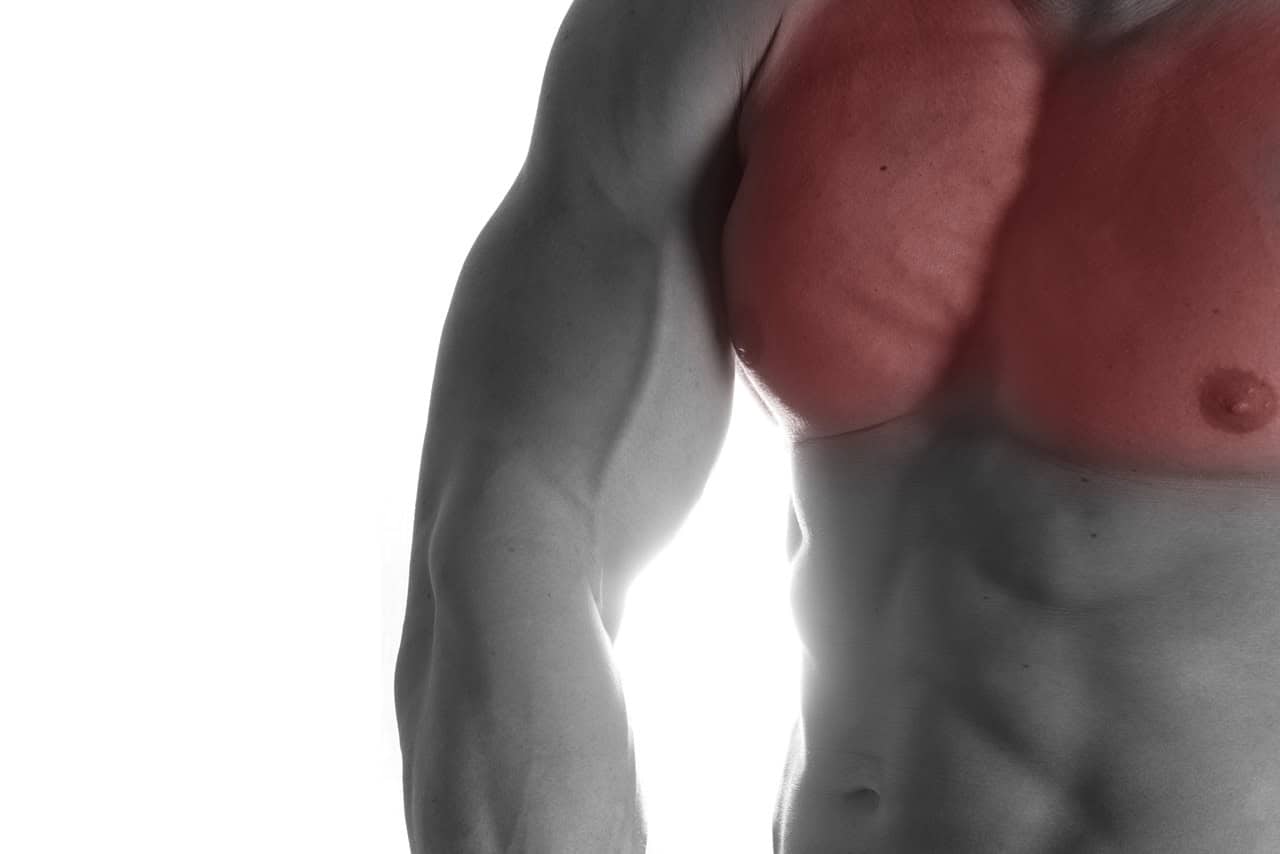
Gynecomastia can often cause physical discomfort that goes far beyond appearance. Concerns about pain and tenderness lead many men to seek help and answers. At the Atlanta Gynecomastia Center, our team regularly meets patients who wonder, “Does gynecomastia hurt, or is it only a cosmetic issue?”
The reality is that the discomfort associated with the development of excess breast gland tissue in men can vary significantly from one individual to another. You can make confident, informed decisions for your body once you know what gynecomastia feels like and how surgery solves it. Let us walk you through what you should know, what to expect, and how support at our practice can bring relief.
Key Takeaways
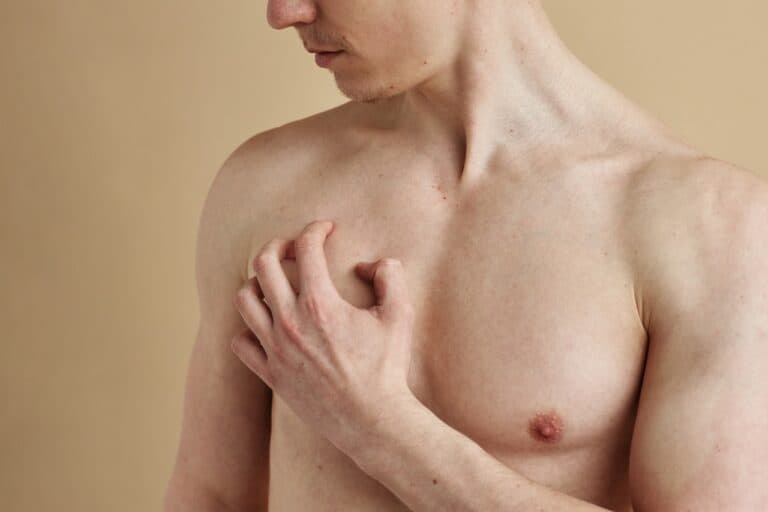
Gynecomastia and Its Key Symptoms
When seeking answers about gynecomastia, the first thing many want to know is what it feels like. While some focus only on visual changes, others notice specific physical sensations.
Gynecomastia refers to the benign growth of glandular breast tissue in males. This is not caused by excess fat alone. The condition often involves hormone imbalances that affect breast tissue.
Common Physical Sensations
Some men describe distinct sensations in their chest area as gynecomastia develops.
- Tenderness: Many notice sensitive skin or sore tissue in the area beneath or around the nipple.
- Aching: A dull, deep ache may persist as glandular tissue grows.
- Burning or tingling: Some experience a warm or prickly sensation during early stages, especially with rapid growth.
Not everyone with gynecomastia feels pain or discomfort. Numerous patients live with the condition for years without any physical symptoms other than swelling or enlargement.
The degree of pain varies widely. Mild tenderness is common, while sharp or unexpected pain is less so and may require examination.
When Does Gynecomastia Cause Pain?
Chest pain or discomfort linked with gynecomastia can happen at different points throughout its development. Multiple factors affect whether and how much pain you feel.
Why Pain Occurs
- Hormonal Shifts: Fluctuations in testosterone and estrogen levels can stimulate tissue growth, leading to pressure or stretching of nerves.
- Inflammation: Active growth or inflammation in the breast tissue can prompt soreness or tenderness.
- Physical Pressure: Tight clothing or exercise can make sensitivity more noticeable.
Pain by Stage of Gynecomastia
Some men develop symptoms early in the process, while others note discomfort years later as the progression of gynecomastia increases.
- Early stage (proliferative phase): This stage usually presents the highest levels of pain due to swelling and tissue activity.
- Stable or chronic stage: Pain often subsides as growth slows, but excess tissue may still cause soreness when pressed or disrupted.
Patients sometimes confuse muscle soreness from exercise or injury with gynecomastia-related pain. Our surgeon can distinguish between these causes during your evaluation.
Common Signs and Symptoms of Gynecomastia Pain
Gynecomastia can cause a variety of symptoms besides swelling. Below is a list explaining what to watch for and how each can relate to underlying pain.
Here are the key symptoms:
- Tenderness or mild pain: This is the most commonly reported physical sensation. Patients feel it especially when touching or pressing the breast tissue.
- Firm, rubbery mass beneath the nipple: This mass may be sensitive to pressure, sometimes causing ongoing discomfort.
- Burning or tingling: These sensations may signal active tissue development or irritation of nearby nerves.
- Enlarged or puffy nipples: While not always painful, this common mild gynecomastia feature can alter chest contour and add pressure to the sensitive glandular tissue beneath.
- Swelling or fullness: Increased tissue in one or both breasts may make wearing tight clothing or lying on your stomach uncomfortable.
- Itching: Itching of the skin over the breast tissue sometimes accompanies enlargement, but is less common.
Pain that becomes sharp, severe, or localized more to one side calls for prompt evaluation. This could indicate an issue other than gynecomastia, such as infection or, in rare cases, a breast tumor. If you experience these symptoms, contact your provider or the Atlanta Gynecomastia Center right away.
Factors That Influence Gynecomastia Pain
The discomfort experienced with gynecomastia does not affect everyone in the same way. Several factors influence whether the condition leads to pain and how severe that pain may become.
Influencing Factors Explained
Hormonal changes during puberty may contribute to the onset of gynecomastia, and aging, certain illnesses, or medications can lead to different experiences with pain.
Body type and skin sensitivity can also contribute. Men with less fatty tissue in the chest area might notice firm glandular tissue and associated tenderness more easily.
Time frame matters as well. Pain may be more pronounced during the active phase, with symptoms settling as the tissue matures.
The amount of tissue present can change physical sensation. Larger glands or combined fat and glandular tissue often lead to more pressure and possible discomfort.
Medications or substances can trigger more rapid growth, which can worsen pain or tenderness as the tissue expands quickly.
Underlying health conditions may cause coexisting inflammation or swelling, amplifying any soreness experienced.
All of these factors are important to discuss during your initial consultation. Our doctor will examine your history and symptoms to help determine what is causing your pain and how to resolve it. Knowing facts from fiction about gynecomastia empowers you to make well-informed choices.
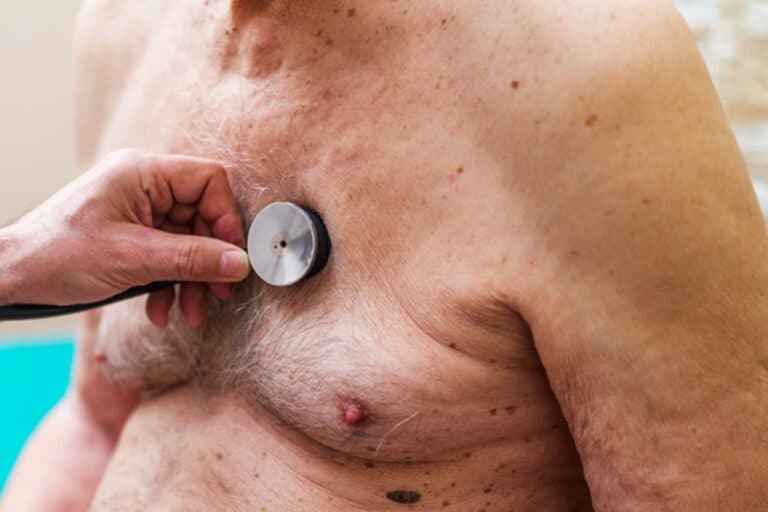
Is Gynecomastia Painful for Everyone?
Not every man with gynecomastia experiences pain. The degree and kind of discomfort can surprise many first-time patients.
Some go years feeling only cosmetic concerns without ever noticing tenderness or pain. Others seek care quickly because of bothersome physical sensations.
Youth often find gynecomastia more uncomfortable during adolescence. Active hormone shifts in the teenage years tend to cause more pronounced inflammation and soreness as breast tissue grows.
Adults during the onset of gynecomastia or with rapid tissue changes may only report pain. After the initial development phase, pain usually decreases or fades completely.
Those with chronic, stable gynecomastia might only notice discomfort if significant glandular tissue is present or if pressure is applied.
Pain severity does not indicate seriousness, as mild or absent discomfort does not rule out substantial tissue growth. To get idea of your likely gynecomastia grade and discuss your existing symptoms, reach out to our Atlanta practice for a professional evaluation.
How Does Gynecomastia Pain Compare with Other Chest Pain?
Determining whether your chest pain stems from gynecomastia or another source remains crucial. Not all chest pain means gynecomastia, and not all gynecomastia feels the same as pain from cardiac or muscular causes.
Key Differences
Gynecomastia-related discomfort usually stays directly under or around the nipple, where glandular tissue builds. The pain rarely radiates to other parts of the chest or arms.
This discomfort often feels like tenderness or burning, especially with pressure. Soreness from workouts tends to spread more broadly across the chest muscles.
Heart-related pain usually produces pressure, squeezing, or heaviness deep in the chest. It may worsen with physical activity or stress.
Sharp, sudden, or severe pain, especially if associated with shortness of breath or nausea, should always prompt immediate emergency care. Do not try to self-diagnose. Reach out to a doctor or the Atlanta Gynecomastia Center as soon as possible if you feel unsure about the cause of your pain.
How Our Surgeon Assesses Gynecomastia Pain
If you are visiting our office due to pain, our surgeon performs a stepwise evaluation to ensure accurate diagnosis and appropriate management. Encountering discomfort does not always mean gynecomastia is the cause, so this step is essential.
What to Expect During Your Visit
During your consultation, our doctor takes a thorough medical history. You will be asked about the onset, duration, and exact location of your discomfort.
Our surgeon examines the breast and chest area to determine if there is glandular tissue, fatty tissue, or an unrelated mass.
In most cases, no advanced imaging is needed to confirm gynecomastia. In rare cases of unexplained, severe, or one-sided pain, our team may recommend an ultrasound or mammogram to rule out other causes.
Blood tests may be used to look at hormone levels if the history raises any concern for endocrine disorders.
Your comfort is our top priority. We address pain both in the short term and as part of a long-term plan to treat the underlying gynecomastia.
Non-Surgical Ways for Gynecomastia Discomfort
Mild pain or soreness due to gynecomastia may resolve without surgical intervention. The following methods help many men with gynecomastia find temporary relief.
- Wearing loose and breathable shirts: This reduces friction and pressure on sensitive tissue, especially for men noticing tenderness.
- Using over-the-counter pain medications: Non-prescription medications, such as acetaminophen or ibuprofen, may reduce mild to moderate discomfort.
- Applying cold compresses: Cold packs can ease swelling and numb tenderness in the tissue beneath the skin.
- Avoiding activities that worsen pain: Limiting chest workouts or avoiding contact sports temporarily helps reduce tissue irritation.
- Treating underlying conditions: Managing medications or hormone disorders under guidance from a physician can sometimes resolve both gynecomastia and associated discomfort.
These measures are designed for mild pain. Severe, persistent, or worsening symptoms require medical attention and may not improve with these conservative steps.
Surgical Treatment to Address Appearance and Pain
At the Atlanta Gynecomastia Center, our surgical team offers proven solutions for men seeking lasting relief from both cosmetic and physical discomfort. Gynecomastia surgery is often the most effective way to address both the visible and sensory aspects of the condition.
How Surgery Alleviates Pain
Our surgeon removes excess glandular and fatty tissue, which directly relieves pressure and reduces nerve irritation. Patients commonly report immediate improvement in tenderness and soreness after recovery.
Surgical correction also eliminates the firm mass that can cause discomfort when touched or compressed by clothing.
What to Expect After Surgery
After surgery, our medical team prescribes pain control options to ensure comfort during the early recovery phase. Most patients describe post-surgical pain as mild to moderate and easily managed with oral medication for a few days.
Swelling, bruising, or temporary numbness are normal parts of recovery and resolve steadily over a few weeks. Discomfort rapidly lessens within the first week, and most men return to regular activities within days.
Our practice supports your healing process every step of the way, monitoring for unusual pain and offering guidance until you achieve the best possible results in both appearance and comfort.
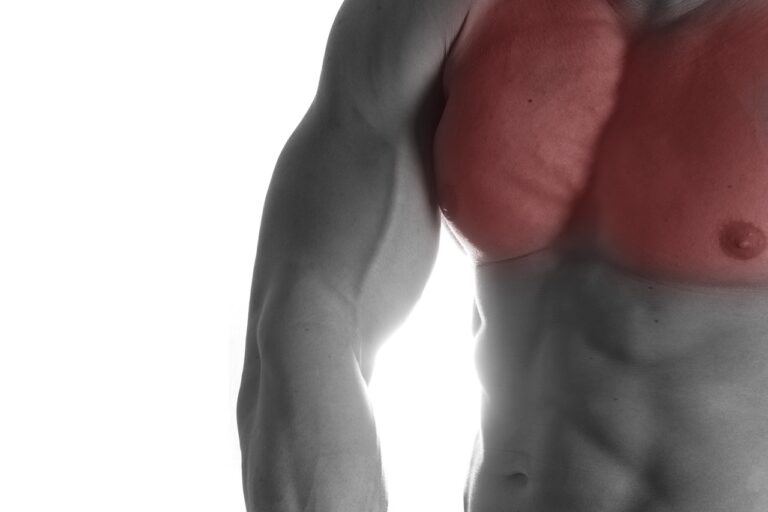
When Should You Worry About Gynecomastia Pain?
Occasional mild discomfort does not usually signal a serious problem. However, certain types of pain or related symptoms need prompt medical attention to ensure your safety.
While most gynecomastia pain remains harmless, it is important to recognize the exceptions:
- Sudden, severe chest pain: Any abrupt or intense pain that does not improve requires urgent evaluation to rule out heart, lung, or vascular problems.
- One-sided pain with swelling or redness: Localized tenderness, warmth, or discharge may point to infection or, rarely, a breast mass that needs testing.
- Persistent or worsening pain: Ongoing discomfort that does not improve with conservative management or after a few weeks warrants an appointment with our surgeon.
- Hard, irregular, or rapidly growing mass: Any tissue that feels unusually hard, lumpy, or grows quickly should be checked for non-gynecomastia causes.
If any of these symptoms appear, do not delay reaching out. Our surgeon is ready to provide a thorough, reassuring evaluation so you can get the care you need.
The Next Step
Persistent worry about pain from gynecomastia can impact daily life as much as concerns about appearance. You take charge of your health and comfort once you learn why discomfort happens, which symptoms matter, and how surgery resolves them.
Every patient’s experience is unique, and not all men with gynecomastia suffer from pain. Yet for those who do, relief is possible with proper guidance and expert care. Our surgeon at the Atlanta Gynecomastia Center listens closely, addresses the precise cause of your symptoms, and supports you throughout the process of improvement.
If gynecomastia pain has become a concern or daily bother, take the next step. Reach out to our Atlanta office today to schedule a consultation and begin your path to comfort and confidence. Whether you need reassurance, non-surgical advice, or expert surgical care, our team is here to help you move forward with greater peace of mind.