

Grade 2 Gynecomastia Causes and Treatment
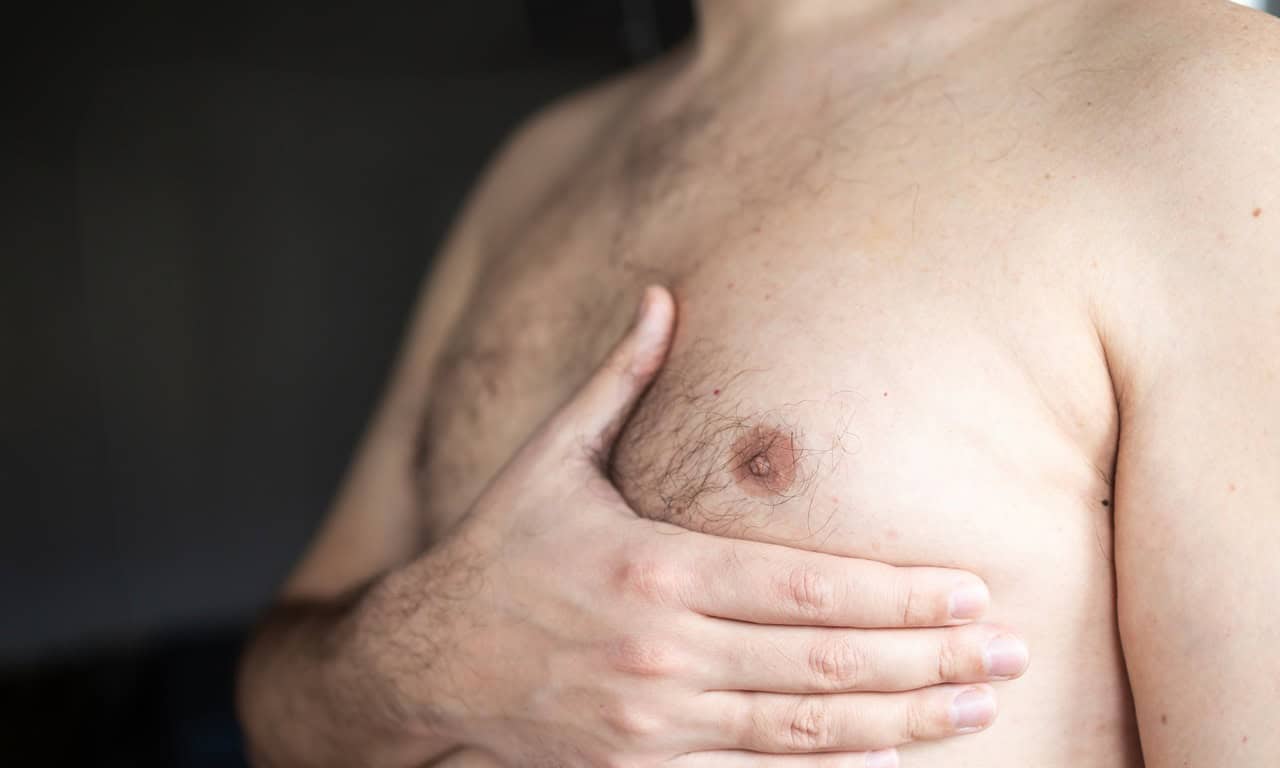
Gynecomastia remains one of the most common conditions affecting men’s confidence and quality of life. Men who experience chest fullness or enlargement often find that this concern does not resolve on its own, especially in more advanced grades. At the Atlanta Gynecomastia Center, our surgeon and team specialize in diagnosing and treating this condition to help men regain confidence and comfort.
While some cases of gynecomastia require only observation or simple management, Grade 2 gynecomastia presents specific physical and emotional concerns. You can move forward with absolute confidence once you learn what defines Grade 2 gynecomastia and which targeted solutions deliver results. This guide covers everything you need to know if you or someone you care about faces Grade 2 gynecomastia.
Key Takeaways
Grade 2 Gynecomastia: What You Should Know
Gynecomastia occurs when the tissue under the male nipple enlarges beyond what is considered typical for men. Physicians classify the condition into grades based on tissue amount, skin elasticity, and chest contour. Grade 2 gynecomastia occupies the middle point of this spectrum.
How Grade 2 Differs From Other Stages
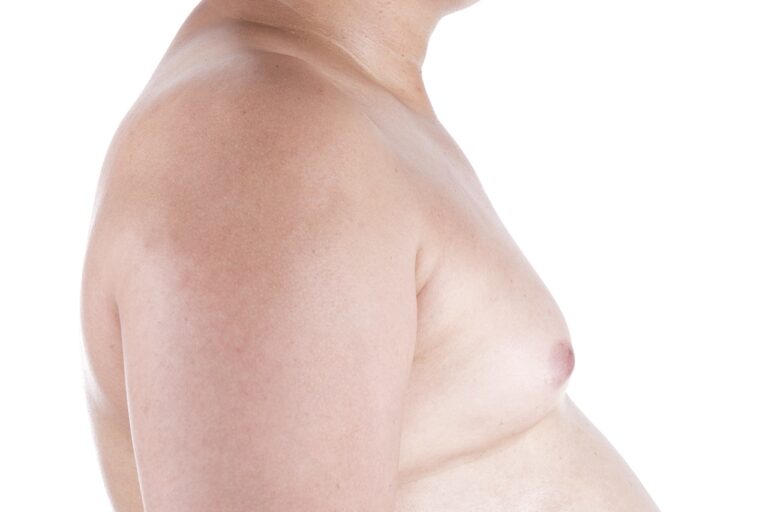
Grade 2 gynecomastia means the breast tissue has grown enough to be clearly visible, but it does not sag below the natural boundary of the chest muscle. The enlargement can appear either as a moderate mound behind the areola alone (Grade 2A) or with a small amount of extra skin (Grade 2B).
In contrast, mild (Grade 1) gynecomastia involves only a small disk of tissue under the nipple and does not affect the chest contour significantly. More advanced gynecomastia stages (Grade 3 or Grade 4) have fullness that sags below the lower border of the pectoral muscle, sometimes with significant loose skin. Grade 2 falls between these extremes and often requires specialized surgical techniques.
Physical Appearance and Common Concerns
Men with Grade 2 gynecomastia often notice a visible roundness or projection in the chest area. Clothing may fit awkwardly, and certain outfits (such as T-shirts or swimwear) may draw attention to the chest. The areola itself may appear slightly puffy or enlarged, and the skin may start to stretch but will not typically droop significantly.
Common issues include feeling embarrassed in social situations, avoiding activities like swimming or changing clothes around others, and frustration with the inability to flatten the chest despite exercise. Many men try diets or strength training without success, as the tissue includes both fat and dense glandular elements that do not respond to exercise alone.
When to Seek Help
You should consult a board-certified plastic surgeon if you have persistent chest fullness for more than a year, if the swelling causes tenderness or pain, or if the appearance of your chest affects your daily comfort or self-image. Men who have recently noticed changes or who take medications known to influence hormones should also discuss these concerns with a medical specialist.
Causes and Risk Factors for Grade 2 Gynecomastia
Grade 2 gynecomastia does not usually develop overnight. A variety of factors influence gynecomastia onset and severity. Our surgeon at the Atlanta Gynecomastia Center evaluates every patient’s health and background to uncover the underlying cause and rule out rare but serious conditions.
Common Triggers
- Hormonal Imbalances: Fluctuations in the ratio of estrogen and testosterone in the body represent the leading cause of gynecomastia at all grades. Puberty, aging, and certain chronic diseases can disrupt hormone levels, leading to glandular proliferation.
- Medications: Certain medications used for ulcers, psychiatric conditions, blood pressure, and heart conditions can alter hormone metabolism. These include some anti-androgens, anabolic steroids, and drugs for treating prostate enlargement.
- Obesity: Increased body fat leads to higher estrogen production and may cause both pseudogynecomastia (fat only) and true gynecomastia (glandular enlargement with or without fat). This combination can worsen the chest contour in Grade 2 cases.
- Medical Disorders: Chronic liver or kidney disease, thyroid disorders, and tumors that secrete hormones may produce gynecomastia by changing the body’s natural hormone balance.
Less Common Causes
Some men inherit a predisposition for gynecomastia, especially if other family members have had similar issues. Recreational drug use (including marijuana, alcohol, or some supplements) has been linked to breast tissue growth in men. Rare genetic or chromosomal disorders can also be responsible, but appear infrequently in the general population.
Whether dealing with mild, localized tissue in Grade 1 gynecomastia or the more moderate, widespread tissue of Grade 2, these underlying factors often act in combination. This is why a detailed exam and honest discussion about your health history guide our surgical team’s treatment plan.
What to Expect During Consultation
Early steps toward addressing Grade 2 gynecomastia revolve around a careful evaluation. Our initial consultation process at the Atlanta Gynecomastia Center helps us decide not only if surgery is required but also which technique will lead to the safest and most satisfying result.
What Happens During the Exam
Patients typically begin the process with a one-on-one conversation with our surgeon. We review the duration of your symptoms, any medicines you use, drug or alcohol history, and medical conditions that may play a role. This conversation allows us to personalize the assessment.
A focused physical examination follows. Our doctor measures the size and position of your areola, palpates the underlying tissues, and determines how much fat or glandular material is present. We also examine the elasticity of your chest skin and the overall shape of the pectoral muscle.
Imaging and Laboratory Testing
Lab testing is not always necessary, but men with a recent or unusually rapid onset, especially if accompanied by pain or nipple discharge, may need hormone level checks. Our surgeons may also obtain liver or kidney function tests in cases with suspected underlying health problems.
Imaging studies, such as ultrasound or mammography, can help distinguish solid masses (such as tumors) from typical glandular or fatty tissue in unclear cases. Most patients with classic Grade 2 gynecomastia do not require this unless we notice an unexpected finding.
Grading and Surgical Planning
Our doctor uses established grading criteria to categorize your gynecomastia. For Grade 2, the breast tissue is clearly visible but remains above the chest crease, with or without some extra skin. This specific classification guides our choice of surgical approach and sets your post-operative expectations.
By the end of the consultation, we will discuss any recommended workup, review your goals, and outline the next steps in management. Our goal is to provide clarity, answer all your questions, and help you move forward with confidence.
Treatment Options for Grade 2 Gynecomastia
After we confirm Grade 2 gynecomastia, our team at the Atlanta Gynecomastia Center develops a custom treatment plan. Both non-surgical and surgical treatments play a role in select cases, though most men with this condition achieve the most predictable and lasting results with surgery.
Non-Surgical Management
For adolescent males with gynecomastia of less than 1–2 years duration, observation may be appropriate if we expect spontaneous resolution. Patients who develop Grade 2 gynecomastia due to a specific medication may see improvement by switching drugs under a physician’s supervision.
Medical therapy can be effective for select patients with documented hormone imbalances or for early cases where tissue remains supple. Medicines such as tamoxifen or raloxifene, which block estrogen effects, show modest benefit in some men, though results are less dramatic in long-standing or fibrous tissue.
Surgical Treatment
For most adult men with Grade 2 gynecomastia, surgery remains the cornerstone of treatment. Non-surgical measures rarely reverse established enlargement once tissue fibrosis or excess skin develops.
Liposuction
Our surgical team often uses liposuction to remove excess fat in the chest region. This technique works well for cases with both glandular and fatty components. Through small incisions, fat is loosened and suctioned away, which improves the chest contour.
Glandular Tissue Excision
Grade 2 gynecomastia typically features a dense disc of tissue behind the areola, which requires direct surgical removal. Our doctor makes a small incision in a natural edge of the areola so that the resulting scars remain subtle and barely visible.
Skin Tightening and Contouring
While skin excess in Grade 2 gynecomastia tends to be modest, our approach pays special attention to achieving a smooth, natural slope from the chest wall outward. If any redundancy exists, careful sculpting and skin-tightening techniques help restore firmness.
Combination Approaches
Many men benefit most from combining liposuction and direct glandular excision. This two-part approach ensures thorough removal of all tissue causing breast fullness and avoids an uneven or unnatural chest appearance. Our surgeon decides on this in the context of each patient’s anatomy.
Choosing the Best Option
Our consultation process includes discussing the pros and cons of each method with you. We prioritize results, healing time, comfort, and your ultimate cosmetic goals. Most men with Grade 2 gynecomastia find that a custom combination of treatments yields the smoothest and most natural outcome.

What to Expect Before, During, and After Surgery
Once you decide to move forward with surgery, our Atlanta-based team guides you through every stage of preparation and recovery. You can arrange your daily calendar and eliminate pre-op stress once you see how every phase unfolds.
Steps Taken Before Surgery
We review your health history and ensure it is safe to proceed with anesthesia. Our doctor discusses your expectations, answers questions, and reviews post-operative care in detail. Patients may need to stop certain medications or supplements for one to two weeks before the procedure. Most surgeries for Grade 2 gynecomastia occur on an outpatient basis, with no overnight stay required.
The Surgical Procedure
The typical operation lasts one to two hours. After marking and numbing the treatment area, our surgeon performs liposuction and soft tissue removal as needed. We pay special attention to symmetry and blending the chest contours for a natural result.
Small incisions, typically hidden at the edge of the areola or elsewhere in an inconspicuous location, minimize visible scarring. Compression garments go on immediately after surgery to support healing and reduce swelling.
Recovery Timeline and Tips
Most men return to work or school within a few days. However, you should wait about two weeks before restarting strenuous activities or heavy lifting. Mild soreness, swelling, and bruising are common for several days but steadily resolve.
Swelling decreases consistently during the first month. Final chest shape often becomes visible within six weeks, as tissue contraction and skin adaptation progress. Wearing your compression garment as directed provides the best result and reduces the risk of fluid build-up.
Monitoring and Follow-Up
Our office schedules follow-up visits to monitor healing. Any concerns, such as unexpected pain, redness, or discharge, can be addressed promptly. The majority of patients report high satisfaction with the contoured, masculine chest shape after recovery.
Risks, Safety, and Managing Expectations
Every surgery carries potential risks. Our priority involves keeping patients safe while minimizing discomfort and unwanted outcomes. Grade 2 gynecomastia treatment remains a well-tolerated procedure with a high success rate.
Most Common Risks
Complications are rare but can include:
- Bleeding: Small blood collections may develop, but our techniques and post-operative care minimize this risk.
- Infection: Antibiotics and careful technique keep infection rates very low.
- Contour irregularities: Occasional unevenness or small lumps can arise if tissue removal is not even, which we strive to avoid with a meticulous approach.
- Scarring: Incisions near the areola usually fade well, but some men are predisposed to thicker scars.
Setting Realistic Expectations
While most men notice dramatic and immediate improvement, final contours refine over several months. Minor swelling and firmness may continue to improve with time. Complete chest flatness is the goal, but some natural variation or mild uneven breast size may remain.
We discuss these points during your consultation and ensure your expectations align with safe and achievable outcomes. This open discussion underpins high patient satisfaction and long-term results.
Benefits of Addressing Grade 2 Gynecomastia
Treating Grade 2 gynecomastia not only impacts physical appearance. The benefits reach multiple aspects of daily life, personal confidence, and even physical health.
- Improved Confidence: Men often express renewed comfort wearing fitted clothing or going shirtless after surgery.
- Social Engagement: Many find they rejoin activities and sports they once avoided due to chest embarrassment.
- Emotional Relief: Relieving the constant concern over chest appearance can reduce anxiety and boost mood.
- Physical Ease: Resolving excess tissue removes discomfort from rubbing or pinching under clothing, especially during exercise.
Navigating these changes can transform how patients move through the world, creating space for growth and opportunity in new areas of their lives. Surgery can unlock relief that diet and exercise alone cannot achieve with Grade 2 gynecomastia.
Maintenance and Long-Term Results
Men who address Grade 2 gynecomastia with surgery at the Atlanta Gynecomastia Center usually enjoy lasting results, with a very low rate of recurrence. You protect your investment and maintain excellent long-term results when you know what maintenance steps and body monitoring to follow.
Maintaining Your Results
Stable body weight, regular exercise, and avoiding substances that can trigger hormonal changes (such as anabolic steroids or excessive alcohol) help protect your surgical investment. Any return of fullness or asymmetry after surgery should be discussed with your surgeon, as new medical issues can sometimes arise.
How Results Endure Over Time
Breast tissue removed by our surgeon does not regenerate. Significant weight gain, medication changes, or medical disorders may contribute to a rare recurrence. Most men enjoy a permanent improvement when health and lifestyle remain stable.
Long-term scars usually soften and fade, blending into the surrounding skin so that the chest retains a natural look without visible signs of surgery.
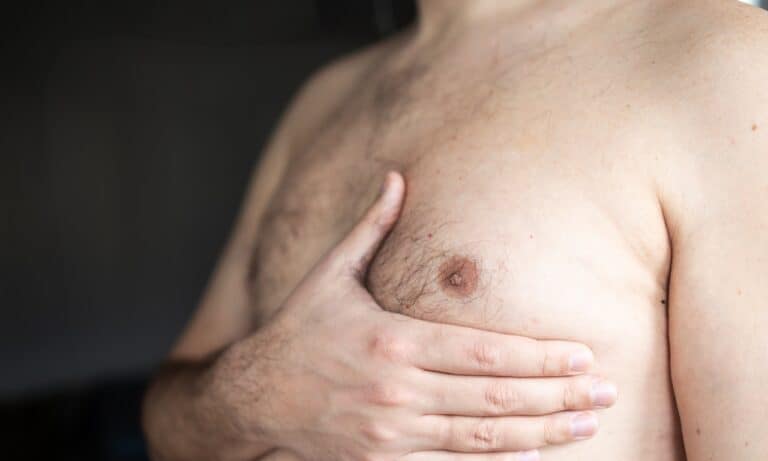
Taking the Next Step Toward Chest Confidence
Grade 2 gynecomastia often affects men during pivotal years of their lives, yet modern solutions provide quick, reliable improvements in both comfort and appearance. Our surgeon and team at the Atlanta Gynecomastia Center take pride in guiding each patient through a supportive, proven process.
You position yourself for total success when you know what options exist and what each treatment path entails. If you or someone you care about struggles with the appearance, discomfort, or emotional impact of Grade 2 gynecomastia, a personalized consultation can provide the clarity and next steps you deserve.
Please reach out to our team at the Atlanta Gynecomastia Center to schedule a private consultation and explore how surgical or non-surgical options could restore a naturally contoured chest and renewed confidence.

