

Lifestyle Factors That Contribute to Gynecomastia

Gynecomastia is a condition that causes enlarged breast tissue in men and can impact self-confidence and comfort. Many patients at the Atlanta Gynecomastia Center want answers about what causes this condition and seek clear, trustworthy guidance.
You take control of your physical well-being and treatment options once you pinpoint the daily habits and environmental triggers affecting chest tissue. As you read through this article, we will share what our surgical team knows about the major contributors, from dietary patterns to substance use.
Take a closer look at the influences within your own daily life that may lead to changes in breast tissue, and learn what steps our practice recommends when seeking solutions.
Key Takeaways
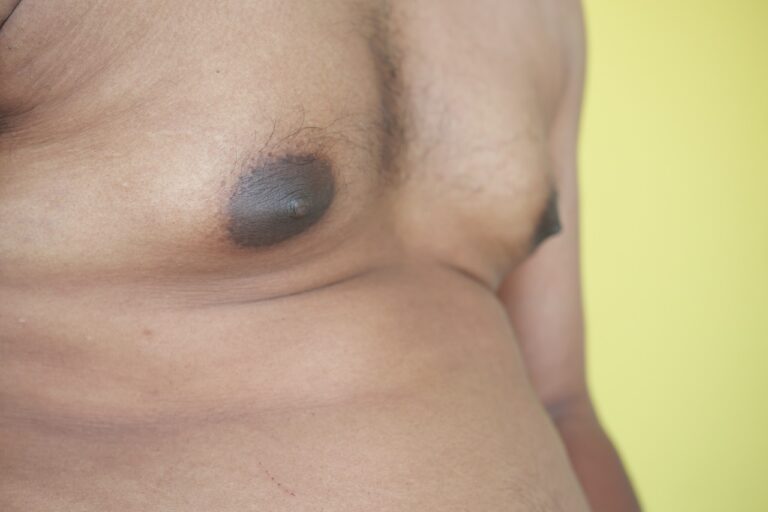
Gynecomastia: Causes, Biological Mechanisms, and Triggers
Before exploring lifestyle contributors, it is essential to grasp how hormonal imbalances lead to breast tissue growth in men. While gynecomastia is common and not usually dangerous, it can raise emotional, social, or physical concerns for many men who visit our practice.
Hormonal Imbalance: The Core Issue
Gynecomastia develops when the ratio of estrogen (the hormone that causes breast tissue development) rises in relation to testosterone, directly tying the condition to the relationship between gynecomastia and testosterone levels. This imbalance can occur if the body produces too much estrogen, too little testosterone, or both.
Testosterone usually acts to suppress breast tissue growth in men. When its levels fall, or when estrogen levels climb, this natural suppression weakens, allowing breast tissue to expand.
Common Life Stages for Gynecomastia
Some life stages are prone to temporary tissue enlargement. While often associated with weight fluctuations, hormone imbalances can prompt gynecomastia in all body types, from lean men navigating puberty to older adults experiencing a natural decline in testosterone.
Patients who recognize changes in their bodies in association with these factors should consider seeking expert evaluation.
Diet and Nutrition: Daily Choices That Matter
Every day, diet choices influence hormone production, metabolism, and fat storage. Several dietary patterns can shift hormone balance and increase gynecomastia risk.
High-Fat and High-Calorie Diets
Consuming diets rich in saturated and trans fats promotes weight gain and increases body fat, particularly around the midsection. Fat tissue plays a role in hormone conversion through an enzyme called aromatase. Aromatase converts testosterone into estrogen in fat tissue, so more fat can mean increased estrogen production.
Processed Foods and Added Sugars
Frequent intake of processed foods, those high in preservatives, salt, and added sugars, can disrupt hormone health. High consumption of sugary beverages, candy, and fast foods has been associated with insulin resistance, which may alter the body’s natural hormone cycles and contribute to gynecomastia.
Soy and Phytoestrogens: Clarifying Misconceptions
Soy foods contain plant-based estrogens, called phytoestrogens. Popular discussion sometimes raises concerns about soy acting like estrogen in the male body. Current scientific evidence shows moderate soy intake does not raise estrogen levels enough to cause gynecomastia.
However, excessive and isolated consumption of soy-based supplements or extracts may have a small effect in sensitive individuals. Our doctor can help distinguish between safe dietary choices and those that could present a risk.
Alcohol, Drugs, and Medications: Hidden Triggers
Many patients do not realize that certain substances they take recreationally or for medical reasons may disrupt hormone balance and contribute to gynecomastia.
Here is a closer look at several common categories:
Recreational Drugs that Influence Hormones
- Alcohol: Chronic alcohol consumption can damage the liver, impairing estrogen breakdown and increasing its presence in the body. Regular drinking also directly affects hormone synthesis, promoting a hormone environment more likely to produce breast tissue.
- Marijuana: Some studies suggest marijuana use may reduce testosterone and promote an estrogen-like effect, though the link is still under investigation. Marijuana’s cannabinoids interact with the body’s endocrine system, which regulates hormone production.
- Anabolic Steroids and Androgens: These substances disrupt hormone balance, often leading to bodybuilder gynecomastia as excess androgens convert into estrogen. Stopping steroid use may not immediately restore testosterone, making specialized surgery necessary to remove tissue while preserving muscle definition.
- Opiates (such as heroin or prescription painkillers): Regular opiate use may depress the body’s natural testosterone production, increasing the chance of developing gynecomastia.
Prescription Medications
Many men are surprised to learn that common drugs prescribed for heart disease, cancers, prostate enlargement, and psychiatric conditions can affect their hormones.
Some medications associated with gynecomastia include:
- Anti-androgens are prescribed for prostate disease
- Some antipsychotics
- Certain antiretroviral therapies for HIV
- Calcium channel blockers and other heart medications
- Anti-ulcer drugs such as cimetidine
- Medications for cholesterol, such as spironolactone
Never stop taking a medication without consulting your provider. If you suspect a medication may be contributing to changes in your breast tissue, our surgeon at the Atlanta office can review your treatment plan and discuss safer alternatives if appropriate.

Obesity and Body Fat: A Major Contributor
Many patients are unaware that obesity causes gynecomastia by altering hormone levels, making excess body fat one of the most common underlying issues seen at our practice.
How Extra Body Fat Affects Hormones
Adipose (fat) tissue is biologically active. Enzymes in fat cells convert androgens (male hormones) into estrogens, directly raising estrogen levels in the body.
As body fat increases, this process accelerates, and more estrogen circulates in the blood. Men with significant abdominal or chest fat often notice breast gland enlargement or soft, fatty accumulation that mimics or coexists with true glandular gynecomastia.
Distinguishing Gynecomastia from Pseudogynecomastia
Some patients have a combination of glandular breast tissue and fatty tissue (pseudogynecomastia), which can make self-diagnosis challenging. Our surgeon evaluates the type and amount of tissue present during consultation and recommends a tailored care plan based on your unique situation.
Environmental Exposures: Chemicals and Endocrine Disruptors
Daily life exposes nearly everyone to environmental chemicals with the potential to act as endocrine disruptors. Some of these substances may subtly, but significantly, alter male hormone levels and contribute to gynecomastia.
Here are several ways environmental exposures can play a role:
- Plastics containing Bisphenol A (BPA): BPA is commonly found in plastic bottles, food containers, and the linings of canned goods. It can mimic estrogen when it enters the body.
- Phthalates in personal care products: These chemicals add flexibility to plastics and appear in fragrances, soaps, shampoos, and cosmetics, potentially interfering with natural hormone production.
- Pesticide residues: These may persist on fruits and vegetables and in water, with several categorized as potential endocrine disruptors.
- Industrial chemicals and heavy metals: Long-term or high-level occupational exposure can alter hormone function and present a risk.
Reducing unnecessary exposures and choosing BPA-free products, minimally processed foods, and organic produce whenever possible may help lower your risk. Patients consulting with our team receive guidance about environmental prevention strategies based on current science.
Exercise: Benefits and Limitations
Physical activity supports healthy hormone balance by improving metabolism, reducing body fat, and elevating testosterone levels. Many men ask if a more robust exercise routine can prevent or reverse gynecomastia.
Benefits of Exercise for Hormone Health
Consistent physical activity supports weight management, which can lower the amount of fat available for hormone conversion. Exercise also enhances cardiovascular health and boosts energy, contributing to total wellness.
Strength training, in particular, helps raise testosterone. This hormone keeps breast tissue growth in check and supports masculine body contours. However, for some men, lifestyle changes by themselves may not fully resolve glandular gynecomastia, especially if breast tissue has already developed.
Why Exercise Alone May Not Reverse All Cases
Once glandular breast tissue forms, it does not always regress with weight loss or changes in physique. Even with significant muscle development with gynecomastia, fat may decrease while the glandular tissue itself persists, often requiring surgical removal by a trained team like ours at the Atlanta Gynecomastia Center.
Lifestyle Habits That Protect Hormone Balance
Daily routines can either support or undermine hormonal health. Our surgeon recommends these strategies for maintaining a healthy hormone environment and potentially reducing the risk of gynecomastia:
- Balanced, whole-food diet: Prioritize fresh fruits, vegetables, whole grains, and lean proteins.
- Regular, moderate exercise: Include both aerobic and strength training activities in your week.
- Moderating alcohol intake: If you drink, do so only in moderation and avoid binge consumption.
- Weight management: Keep body fat within a healthy range using sustainable dietary and activity choices.
- Avoiding recreational drugs: Stay away from substances known to alter hormone production.
- Reviewing medication side effects: Discuss alternatives with your provider if you start to notice symptoms.
- Minimizing chemical exposures: Choose safer personal care and household products, and select organic foods when possible.
Adopting even a few of these lifestyle habits can have a noticeable effect on both hormone levels and general health. Our team can provide additional individualized suggestions based on your age, health status, and risk factors.
Gynecomastia Symptoms and When to Seek Help
Knowing the typical signs and symptoms of gynecomastia can help you recognize the difference between normal body changes and a potential medical issue. Men should watch for the following features:
- Firm, rubbery tissue beneath the nipple or areola that does not disappear with weight loss
- Discomfort, sensitivity, or pain in the breast area
- Swelling or visible enlargement that occurs on one or both sides
- Emotional distress or embarrassment due to changes in chest appearance
- Rapid changes or development during periods of hormonal fluctuation (such as puberty, middle age, or after medication changes)
If you notice persistent changes or discomfort that do not resolve, the next step is a consultation with our surgical team. Early evaluation allows for a thorough assessment and tailored treatment options.
Treatment Options and Lifestyle Modification
Most lifestyle changes serve best as prevention, but established gynecomastia may require direct medical or surgical intervention. Our doctor at the Atlanta office evaluates patients individually to create the best plan.
Surgical and Medical Treatment
Gynecomastia that does not resolve with lifestyle changes may require treatment, which can include:
- Stopping contributing substances (under medical supervision)
- Treating underlying hormonal disorders
- Gynecomastia surgery (removing excess glandular tissue and contouring the chest)
Many men discover that once glandular tissue develops, surgery is the definitive solution, as diet and exercise alone may not remove the excess tissue. The Atlanta Gynecomastia Center provides advanced surgical techniques for effective, natural-looking results with a focus on safety and satisfaction.
Ongoing Prevention and Health
Even after treatment, maintaining healthy lifestyle habits supports lasting results. Weight management, prudent substance use, and careful medication monitoring all remain important for preventing a recurrence. Our practice offers long-term support, education, and follow-up to ensure the best possible experience throughout your journey.

Taking the Next Step
Gynecomastia is a common and treatable condition, with lifestyle factors that significantly impact risk and progression. Clear insight into how diet, medications, body weight, and environmental toxins affect your body enables you to protect your hormone balance and prevent excess tissue growth.
While many cases respond to improvements in nutrition, exercise, and substance use, some forms of gynecomastia require a professional evaluation and expert treatment for lasting results. If you notice signs of gynecomastia or have concerns about your risk factors, our team is here to listen and help.
Reach out to the board-certified surgeons at the Atlanta Gynecomastia Center to schedule a confidential consultation. We will determine the best course of action based on your unique circumstances and guide you toward the results you seek. Your health, confidence, and peace of mind matter to us, and we are ready to support you every step of the way.