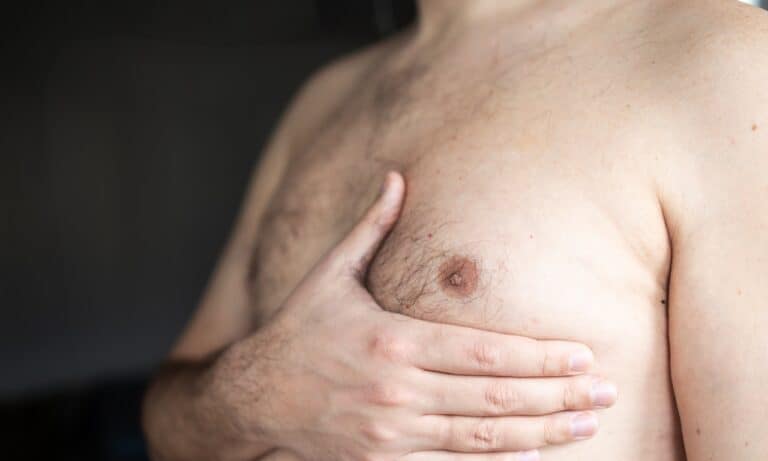

Early Symptoms of Grade 1 Gynecomastia

Gynecomastia can affect confidence at any age, often creating questions about body changes and available solutions. At the Atlanta Gynecomastia Center, our team sees many patients seeking advice about early-stage gynecomastia, specifically grade 1 gynecomastia.
You can make far more informed decisions about minor chest tissue changes once you get a clear picture of this condition. Many patients feel better after learning what causes grade 1 gynecomastia, how it looks and feels, and what treatment options exist. Our surgeon will guide you through every step as you work toward your ideal results.
Key Takeaways

A Breakdown of Grade 1 Gynecomastia
Grade 1 gynecomastia refers to the earliest and mildest stage of breast tissue enlargement in males. Our team at the Atlanta Gynecomastia Center sees this stage most frequently in teenagers and young adults, but adult men may notice it as well.
Unlike more advanced types, grade 1 gynecomastia usually presents with a small, firm lump or area of puffiness right under the nipple. The skin remains tight, and there is no drooping or significant excess tissue.
Defining Key Characteristics
A closer look at grade 1 gynecomastia shows:
- Only minor, disc-shaped breast tissue, located directly under the areola
- No visible sagging or extra skin around the areola or chest
- Swelling limited to the nipple or a small part of the chest
This condition often becomes more noticeable in thin or athletic men, since less surrounding fat makes the tissue easier to see or feel. Grade 1 rarely causes physical discomfort, but many patients feel embarrassed or self-conscious about its appearance.
Gynecomastia vs. Pseudogynecomastia
Not every case of enlarged tissue under the nipple falls under true gynecomastia. Sometimes, men have a collection of fat in this area rather than glandular breast tissue. This fat accumulation is called pseudogynecomastia.
Our surgeon at the Atlanta office evaluates each patient to distinguish between true gynecomastia and fat-related enlargement. Knowing the difference is important, because the treatment for each type varies significantly.
Causes and Risk Factors
Several factors may cause or worsen grade 1 gynecomastia, especially during puberty or periods of hormonal fluctuations. Patients in Atlanta frequently ask our surgical team about the root causes of gynecomastia, and several primary factors stand out, ranging from genetics and lifestyle factors that contribute to gynecomastia to medication side effects.
Hormonal Imbalance
The most common factor involves a temporary shift in estrogen and testosterone levels. Adolescent boys can develop breast gland tissue when estrogen increases or testosterone drops, even for a short period.
Older men may notice changes as their testosterone naturally declines with age, sometimes leading to new breast tissue.
Common Triggers for Grade 1 Gynecomastia
At our center, we review a full medical history to help determine likely triggers. Several sources may contribute, including:
- Puberty: Hormones may briefly swing out of balance, and breast tissue sometimes forms before settling back to normal.
- Medications: Certain drugs prescribed for hypertension, stomach ulcers, or mental health conditions have side effects that can stimulate breast tissue growth.
- Substance Use: Alcohol, marijuana, anabolic steroids, and illegal drugs can fuel hormonal changes leading to tissue development.
- Medical Conditions: Liver or kidney disease, thyroid disorders, or tumors affecting hormone-producing organs can all create an estrogen-testosterone imbalance.
- Obesity: Higher body fat increases conversion of testosterone to estrogen, so overweight men have a higher risk.
Grade 1 gynecomastia tends to appear when one or more of these risk factors are present, even if only for a short time. However, if left unmanaged or if hormonal imbalances persist, the condition can progress into moderate gynecomastia.
Familial and Genetic Factors
Family history sometimes plays a role. If male relatives have also experienced early breast development, genetic tendencies may be at work. Conditions affecting hormones, like certain inherited syndromes, can also play a part, although this is uncommon for grade 1 specifically.
Recognizing Symptoms and Signs
Grade 1 cases may seem subtle at first, but recognizing gynecomastia features early empowers men to explore treatment options well before the condition advances.
Core Symptoms of Grade 1 Gynecomastia
Mild gynecomastia has several recognizable features:
- Small Lump or Firm Area: Usually found just underneath the nipple, this area may measure one to three centimeters.
- Enlarged Areola: Occasionally, the pigmented area around the nipple becomes slightly broader or appears raised.
- Puffy Nipple: The nipple may look more prominent, especially when warm or after exercise.
- No Excess Skin: Skin overlying the tissue remains flat and shows no signs of sagging.
- Lack of Pain: Some patients briefly feel tenderness, but pain is much less common than in moderate or severe cases.
Patients sometimes discover grade 1 gynecomastia only through touch, as the tissue may be invisible under clothing. Swelling or puffiness usually appears as asymmetric gynecomastia, though it can affect both sides.
Emotional Impact
Even a small area of breast tissue can have a big effect on self-confidence. Many young men feel embarrassed when changing clothes, and athletes may feel awkward in tight uniforms or when swimming. Our staff sees the difference in confidence when patients address this concern, no matter how mild their symptoms may be.
Diagnosis: What to Expect at Your Consultation
Our process at the Atlanta Gynecomastia Center always starts with a personal consultation. The initial visit aims to understand the history of your symptoms, rule out underlying medical problems, and determine the most appropriate treatment.
Steps Involved in Diagnosis
During your consultation, our surgeon will:
- Take a personal and family medical history, including details about medications or substance use.
- Perform a targeted physical exam to measure the area and assess tissue firmness.
- Distinguish true glandular tissue from fat or muscle.
- Review possible causes, such as puberty, recent illness, or drug side effects.
Additional Testing
Lab work is not always necessary for grade 1 gynecomastia. However, our doctor may recommend hormone tests, liver function panels, or thyroid screening if there are symptoms that suggest an underlying medical issue. Imaging tests such as ultrasound or mammography are rarely needed, but may be ordered if a lump feels very firm, grows quickly, or only appears on one side.
Personalized Treatment Planning
The consultation finishes with a review of your options. At our center, our team customizes each plan based on tissue type, possible causes, and your goals. This stage allows you to ask questions and learn more about managing or correcting grade 1 gynecomastia.

Treatment Options for Grade 1 Gynecomastia
Many men with grade 1 gynecomastia prefer the smallest, least invasive approach possible. Several paths exist, and not all require surgery. Our surgeon helps each patient review these in detail during the planning process.
Non-Surgical Approaches
Non-surgical solutions often work best for patients whose symptoms are new or linked to a clear external factor. Our team may suggest:
Observation and Monitoring: Sometimes mild gynecomastia during puberty resolves without any treatment. Our surgeon may recommend waiting and tracking changes for several months.
Medication Adjustment: If a prescription or over-the-counter drug appears responsible, our doctor may suggest a different medication or an altered dose if safe to do so.
Lifestyle Changes: Reducing alcohol or drug use, losing weight, or improving diet and exercise routines have helped many patients with early gynecomastia, especially when body fat is a factor.
These methods often resolve symptoms within several months, as long as underlying triggers are found and addressed.
Surgical Treatments
Some cases of grade 1 gynecomastia do not improve with conservative steps or have no known cause. Surgery becomes an option when the small, firm lump persists and creates ongoing embarrassment or discomfort. Several techniques are available, and the least invasive approach is the most common for early-stage cases.
Liposuction
Liposuction targets fatty tissue and can sometimes address mild cases when fatty tissue is present along with glandular tissue. Our surgeon uses a thin, special instrument to remove excess fat from the breast area through a very small incision.
Glandular Tissue Removal
If glandular tissue causes the swelling and does not respond to nonsurgical measures, direct excision works best. The surgeon removes the gland through a tiny incision hidden at the edge of the areola, so scarring remains minimal and virtually invisible.
Expected Results and Scarring
Grade 1 gynecomastia responds well to early treatment. Scars are often almost undetectable, and the chest quickly resumes a natural appearance. Personal satisfaction rates are very high, as the correction is subtle but meaningful for confidence.
Recovery After Grade 1 Gynecomastia Surgery
Patients healing from mild gynecomastia surgery often notice a smoother course than those with more advanced conditions. Knowing what to expect helps you prepare for the days and weeks after treatment.
Post-Operative Care
In most cases, patients return home the same day as their procedure. Our doctor provides written instructions detailing incision care, dressing changes, and your post-op support garment timeline to minimize swelling. Avoiding heavy lifting, chest exercises, and contact sports for at least two weeks protects the area as it heals.
Typical Recovery Timeline
Although each person’s experience is unique, many patients notice:
- Mild Swelling and Bruising: These signs are usually minor and improve within one week.
- Minimal Pain: Most report little to no discomfort and need only over-the-counter pain relief for a day or two.
- Quick Return to Activities: Light work, walking, and routine daily activities can resume after one or two days.
- Full Results in Weeks: Final shape and contour usually reveal themselves within four to six weeks.
Our staff schedules follow-up visits to ensure healthy healing and address any questions or concerns.
Potential Risks and Complications
All surgical procedures have some risk, but grade 1 gynecomastia carries one of the lowest rates of complications. Patients should still watch for signs such as new pain, fever, or unusual fluid from the incision. At our Atlanta center, our team remains available during your recovery journey and encourages prompt communication if unexpected symptoms occur.
Who Is a Candidate for Surgery?
Deciding on surgery for grade 1 gynecomastia depends on several factors. Our surgeon helps each patient weigh the benefits and drawbacks based on individual goals.
Ideal Candidates
Surgery may be suitable if:
- The tissue has persisted longer than one year after puberty.
- Hormonal causes or medications cannot be changed or corrected.
- Self-consciousness or emotional discomfort continues despite reassurance or observation.
- The tissue feels noticeably firm or creates a distinct contour beneath clothing.
Teens and adults both qualify, as long as the tissue has stabilized and the patient feels ready to take this step.
When to Wait or Avoid Surgery
Non-surgical management remains best for those in the middle of puberty, as changes may reverse naturally. Patients with underlying medical conditions that increase surgical risk may need to postpone or avoid surgery until cleared by their medical team.
Our surgeon discusses candidacy during the consultation and supports each individual’s decision after reviewing all available information.
Living With Grade 1 Gynecomastia
Grade 1 gynecomastia rarely causes major health issues, yet it can influence social interactions, athletic participation, and clothing choices. Our staff hears from many men that even mild symptoms can affect daily life.
Psychological Effects
Although grade 1 gynecomastia often appears subtle, it may still impact confidence. Boys and men sometimes avoid activities like swimming, gym workouts, or wearing fitted clothing. Early treatment can support positive self-image, especially in those prone to anxiety about appearance.
Long-Term Outlook
With proper treatment or careful observation, most people experience stable, satisfying results. Our surgical team emphasizes education about healthy habits and routine self-exams, which help maintain chest appearance and monitor for any future changes. Following your surgeon’s advice about medication, supplements, or workout routines reduces the chance of recurrence.
Frequently Asked Questions About Grade 1 Gynecomastia
Many patients come to the Atlanta Gynecomastia Center with specific questions about grade 1 gynecomastia. Below are answers to some of the most common concerns.

Taking the First Step Toward Confidence
Living with grade 1 gynecomastia does not need to limit your confidence or quality of life. Recognizing the early signs and understanding the full range of causes can help patients feel empowered to take action.
Minimally invasive treatments at the Atlanta Gynecomastia Center provide highly effective results for grade 1 cases, with quick recovery and natural-looking outcomes. Even small changes in this area can restore comfort in social settings and improve your self-image.
If you notice early symptoms or remain unsure about your next step, contact our team at the Atlanta Gynecomastia Center. Scheduling a confidential consultation with our surgeon ensures you receive answers tailored to your goals, and we are here to support you through every stage of your journey.