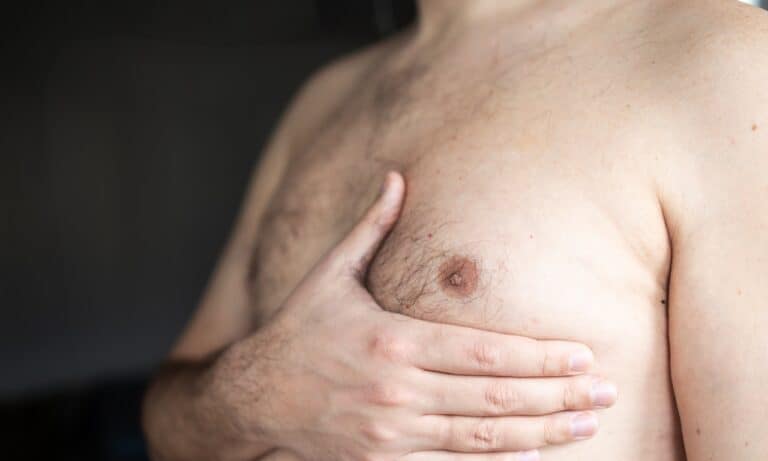

Asymmetric Gynecomastia: Managing Uneven Breast Size

Men often notice that their chest does not look even, with one side appearing larger than the other. This difference can cause embarrassment, self-consciousness, and obstacles in daily life. At the Atlanta Gynecomastia Center, we see many patients who want clarity and a path to a more balanced appearance.
Asymmetric gynecomastia involves a unique set of concerns compared to typical gynecomastia. It can be complex to understand why one breast becomes more prominent and how to treat this condition. Our surgeon can guide you toward options that provide both physical and emotional relief.
The following article details what to expect when facing asymmetric gynecomastia and the solutions available.
Key Takeaways

Asymmetric Gynecomastia: What You Should Know
Asymmetric gynecomastia refers to the condition where uneven breast tissue growth causes one side of the male chest to look noticeably larger or shaped differently than the other. This can occur at any age and often affects teens and adult men alike.
The imbalance can range from subtle, in which only the patient notices, to very pronounced, which may be visible through clothing. Many patients feel embarrassed or self-conscious because of the irregular appearance.
Our doctor notes that asymmetry often leads patients to seek help more quickly than those with milder or symmetric forms of gynecomastia. This condition involves both glandular and fatty tissue. In some cases, both types become enlarged or develop in different ways on opposite sides.
How Asymmetry Develops
Imbalances in hormones, specifically testosterone and estrogen, play a key role in tissue growth. When this balance changes, the breast tissue can grow unevenly, which causes asymmetry.
Other factors can impact development, too. Certain medications, chronic illnesses, genetic traits, and previous injuries sometimes cause one side of the chest to grow more than the other.
Common Causes of Asymmetric Gynecomastia
Several factors contribute to uneven breast development in men. Our surgeon designs a targeted, highly effective treatment plan once we pinpoint these specific triggers.
Main Contributing Factors
Multiple elements can result in asymmetric gynecomastia. Here are some of the most common causes:
- Hormonal fluctuations: Changes in the balance of testosterone and estrogen often lead to disproportionate breast tissue growth on one side.
- Medications: Some drugs for prostate conditions, mental health, heart disease, or steroids may stimulate uneven breast tissue enlargement.
- Genetic predispositions: Certain individuals inherit a tendency for their glands or fat to distribute unevenly, which creates asymmetry.
- Underlying health conditions: Liver disease, thyroid disorders, or testicular tumors sometimes cause hormone changes that trigger asymmetric gynecomastia.
- Physical trauma: A previous injury, surgery, or infection on one side of the chest can impact development and lead to a visible imbalance.
Our Atlanta surgical team evaluates all potential factors to create a targeted treatment plan that addresses the root cause. Eliminating the underlying trigger, when possible, often prevents recurrence or additional growth.
Physical Signs and Symptoms
Asymmetric gynecomastia brings unique signs that differ from general gynecomastia. Most cases present with both visible and physical symptoms.
Patients usually notice a clear difference in breast or areola size from one side to the other. One side may bulge, feel heavier, or create an uneven contour in fitted shirts.
When the chest feels tender, swollen, or has a firm mass beneath the nipple on just one side, this can indicate gland enlargement. Some men report mild to moderate discomfort, which sometimes appears as aches or increased sensitivity.
From subtle puffiness to more pendulous contours, symptoms fall along a broad clinical scale. Before your visit, using a gynecomastia severity calculator can help classify your symptoms, though an in-person exam remains essential for creating your custom surgical plan.
How Our Surgeon Evaluates Asymmetry
Accurate diagnosis forms the foundation for the best results. The Atlanta Gynecomastia Center takes a thorough, step-by-step approach to assessment.
Key Steps in Diagnosis
Before recommending treatment, our doctor looks for several signs and considers medical history. Diagnosis typically involves:
- Physical examination: Our surgeon feels for lumps, checks skin elasticity, and measures both sides of the chest to detect glandular or fatty differences.
- Detailed history: Patients describe the timeline of changes, current medications, prior health events, and any possible triggers.
- Additional testing: Imaging studies, such as ultrasound or mammography, sometimes help reveal the type of tissue involved and rule out other conditions.
- Blood tests: These may identify hormone imbalances or underlying health issues that could affect treatment.
A thorough diagnosis ensures the most effective and safe care for every patient. These steps help our surgical team choose an approach that resolves both breast size differences and underlying causes.
Psychological and Social Impact
Asymmetric gynecomastia not only causes physical changes but also impacts emotional well-being and social confidence. Men sometimes withdraw from social, athletic, or romantic activities due to embarrassment about uneven chest contours.
Body image concerns can make men feel anxious about situations such as swimming, locker rooms, or even fitted clothing. Some patients develop low self-esteem and frustration from being unable to fix the imbalance through exercise or diet.
At our Atlanta office, our doctor understands this emotional impact. Our team counsels patients and provides education to help restore self-confidence as treatment brings improved physical balance.

Treatment Options for Asymmetric Gynecomastia
Treatment for asymmetric gynecomastia varies depending on the extent of tissue development, the type of tissue involved, patient goals, and any underlying causes. Our Atlanta Gynecomastia Center tailors options to your needs.
Surgical Approaches
Surgical correction remains the most reliable and widely used solution for moderate or severe asymmetry. Our surgeon uses several techniques to restore balance, create natural contours, and provide long-lasting results.
Liposuction
Liposuction removes excess fatty tissue using tiny incisions and specialized instruments. This procedure works best when fat, instead of glandular tissue, causes the breast size difference. Our surgeon ensures that liposuction sculpts the chest with care, addressing both sides to create symmetry.
Glandular Tissue Excision
Some cases require removal of firm, fibrous glandular tissue beneath the nipple. Our doctor makes a tiny incision around the areola to excise this tissue, flattening the chest. Combining excision with liposuction treats both fat and gland problems to achieve the most even appearance.
Combination Procedures
Many men need both liposuction and excision to correct severe asymmetry. Our surgeon addresses each side individually, removing more tissue where the enlargement is most noticeable. This approach delivers the most precise results.
Non-Surgical Options
Mild or early cases of asymmetric gynecomastia sometimes respond to medication, lifestyle changes, or observation. When medications, hormones, or underlying health issues cause the enlargement, adjusting these factors may help shrink the breast tissue over time.
Our doctor only recommends non-surgical management when there is a high chance of improvement without an operation. For most men with moderate breast enlargement or severe size differences, surgery provides the most effective solution.
Who Is a Good Candidate?
Not every man with chest asymmetry requires surgical correction. Our team evaluates several factors to decide if surgical or non-surgical treatment is right for you.
Optimal Candidates
A good candidate for asymmetric gynecomastia surgery usually meets the following criteria:
- Stable body weight: Patients maintain a steady weight for several months, since fluctuations can affect results.
- Good physical health: Men who control medical problems, such as diabetes or thyroid disorders, tolerate surgery and anesthesia better.
- No underlying malignancy: Imaging and tests confirm that no cancer or suspicious masses are present.
- Realistic expectations: Candidates understand what surgery can and cannot achieve, which promotes satisfaction.
- Dissatisfaction with appearance: Significant emotional or social distress because of chest imbalance often prompts men to pursue surgery.
This assessment ensures that each patient receives a safe procedure with results that match natural expectations. Our team discusses each factor at your consultation to build a personalized surgical plan.
The Surgical Process
A successful outcome depends on a detailed and patient-focused surgical plan. Patients at our Atlanta office can expect thoughtful guidance and constant support throughout the experience.
Preparation Before Surgery
Before any operation, our surgeon provides detailed instructions, which may include pausing certain medications or supplements and undergoing standard laboratory screenings. Maintaining stable health and discussing past procedures helps minimize risks.
Surgical Day: What to Expect
On the day of surgery, our doctor reviews the plan with you in person. Anesthesia keeps you comfortable during the procedure, which usually lasts one to two hours. Our team specializes in performing corrections with the smallest possible incisions, which allows for smooth and efficient recovery.
After completion, our doctor places small dressings or a compression garment. Most patients recover on the same day and go home with clear aftercare guidance.
Recovery Timeline
Recovery after asymmetric gynecomastia surgery is straightforward for most patients, but healing occurs in stages. Here is what to expect during each phase.
First Week
Patients experience mild swelling, tightness, and some discomfort, which improves with medication and rest. Gentle movement aids circulation, while consistently wearing compression garments in the first week helps manage acute swelling and supports the skin as it conforms to your new chest contour.
First Month
Return to work and light activity usually occur within several days to one week. Heavy lifting or chest exercises should wait until cleared by our surgeon, which is typically after four to six weeks.
Final Results
Bruising and swelling gradually fade over several weeks. Most men notice a clear change in chest shape within the first month, with final results achieved by three to six months. Our doctor schedules follow-up visits to track healing and provide reassurance.
Addressing Complications or Concerns
Though modern surgical techniques are safe, every procedure carries some risk. Our Atlanta team takes steps to prevent complications and support recovery.
Patients occasionally experience swelling, bruising, minor scarring, or unevenness during early healing. These issues usually resolve with time and proper care.
Rarely, fluid may collect under the skin, or an infection may develop, requiring additional treatment. Good communication with our staff ensures quick intervention and peace of mind.
Our practice explains all potential risks and provides support during recovery, so patients feel informed and secure. Attending follow-up visits and closely following instructions minimizes complications and supports an optimal result.

Frequently Asked Questions about Asymmetric Gynecomastia
Many men want to learn more before making decisions about care. Our Atlanta Gynecomastia Center addresses these common questions.
Restoring Confidence and Symmetry
Addressing asymmetric gynecomastia can restore confidence and open new possibilities for men who have struggled with uneven chest contours. Treatment corrects the physical imbalance and relieves the social and emotional weight that often comes with this condition.
Our surgeon at the Atlanta Gynecomastia Center provides compassionate care from the first consultation to full recovery. With effective surgical and non-surgical solutions, most men achieve long-lasting, natural-looking results.
If you have questions or wish to discuss options for treating asymmetric gynecomastia, connect with our team today. We invite you to schedule a private consultation at our Atlanta office and take the next step toward a more balanced, confident life.