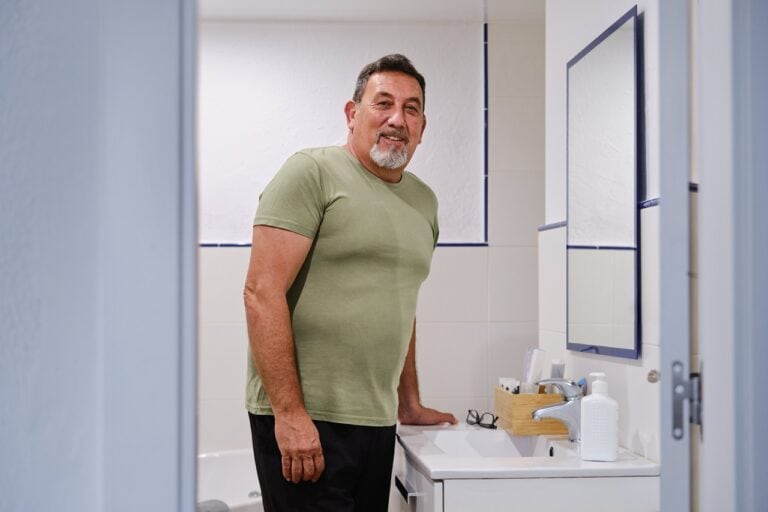

How Obesity Causes Gynecomastia

At the Atlanta Gynecomastia Center, many men visit us with concerns about changes in their chest shape. Sometimes, these changes come as a surprise, and they can impact self-confidence in daily life and at the gym or pool.
If you notice enlarged, soft, or puffy breasts, you might wonder whether this change results from body fat alone or if another cause exists. Our team walks patients through the reasons behind male breast enlargement every day, especially when weight gain plays a role. This article breaks down what you need to know and explains how you can address these changes and reclaim your confidence.
Key Takeaways
What Is Gynecomastia? Clarifying the Basics
Gynecomastia means the enlargement of male breast tissue that goes beyond normal body fat. This condition often causes tenderness, swelling, or a firm disc of tissue under your nipple.
True Gynecomastia versus Pseudogynecomastia
Gynecomastia refers to real growth of breast gland tissue. This feels rubbery or firm. Pseudogynecomastia refers mainly to extra fat in the chest without much gland development.
At our center, we see mixed cases where both conditions appear at once. This overlap often happens among men with obesity, which influences both fat and hormone activity.
Typical Symptoms and How They Affect You
Many men first notice their chest looks rounder, puffier, or even saggy in a T-shirt or swimsuit. Some patients feel mild discomfort or embarrassment, especially during activities or close contact. In severe cases, self-esteem and social comfort can take a significant hit, which prompts patients to seek our help.
The Role of Obesity in Male Breast Enlargement
Obesity connects closely to male breast changes for several reasons. When men gain fat, the chest often stores extra fatty tissue, which can make breasts look enlarged.
How Weight Gain Influences Breast Tissue
Extra fat does not behave the same in every part of your body. In men, fat often settles on the chest and abdomen as body weight rises. This process can push the breast outward and stretch the skin around the nipple.
Obese men also tend to have more fat in breast tissue itself, not just under the skin. This subareolar fat can exaggerate the puffy look seen in male breast enlargement.
Fat, Hormones, and Breast Gland Growth
Our team explains to patients that body fat does more than change shape. Fat tissue converts some testosterone into estrogen. Estrogen is a hormone that prompts breast gland growth in both men and women.
As obesity advances, higher levels of estrogen can lead to true gynecomastia. The more fat you carry, the more active the conversion becomes, which raises estrogen and lowers effective testosterone overall. This hormone shift drives gland growth and what men see and sometimes feel as a lump or puffiness beneath the nipple.
The Science Behind Why Fat Buildup Causes Male Breasts
Bodily changes that arise from obesity happen in a series of steps. Below you will find the main ways fat leads to breast development in men.
Key Processes that Link Obesity to Breast Enlargement
Several scientific factors work together to create visible male breast tissue when you gain weight:
- Estrogen Formation: Extra fat prompts your body to convert more testosterone into estrogen, which stimulates breast tissue to grow.
- Lower Testosterone: High body fat reduces available testosterone, often leading to gynecomastia with low testosterone that can further limit muscle definition in your chest and exaggerate breast prominence.
- Inflammation: Chronic inflammation that often comes with obesity can worsen swelling and fluid retention in the chest, making the area look puffier.
- Gland and Fat Mix: Patients with more body fat often accumulate both fat and gland tissue in the chest, leading to a firmer, more prominent shape that persists even after weight loss.
These mechanisms often work together, which means men with obesity may notice more dramatic breast changes than those who just gain a little weight.
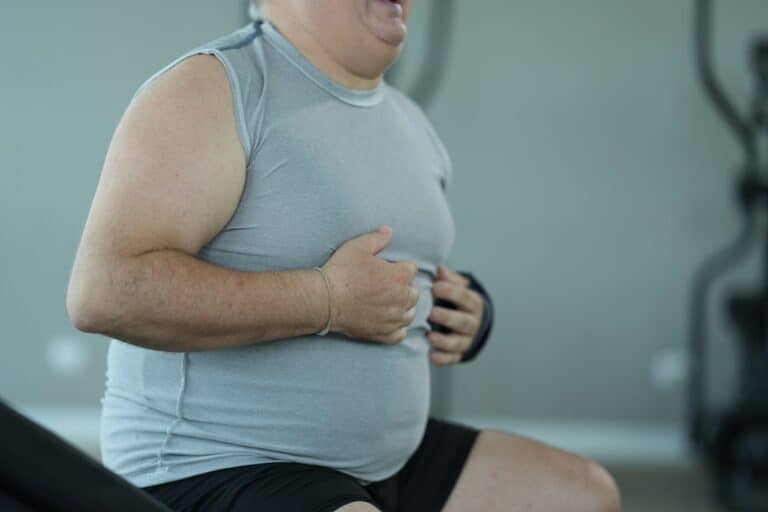
Signs of Gynecomastia Related to Weight Gain
If you have gained weight and noticed changes in your chest, it can help to know the most common signs linked specifically to obesity-driven gynecomastia.
Symptoms That Suggest Obesity Is Involved
- Soft, Bulky Chest: Breasts feel fuller, softer, and blobby rather than tight and muscular.
- Sagging or Drooping: Heavier breasts may start to sag over time because of extra weight and loose skin.
- Puffy Nipples: The areola often looks “dome-shaped” or puffy, which occurs when fat and gland tissue push the nipple outward.
- Firm Lump Under the Nipple: You may feel a denser area or a disk-like shape under your nipple, which hints at gland growth on top of fat.
- Size Fluctuates With Weight: Chest size can get bigger with body weight and may shrink somewhat with diet and exercise, although this is rarely a full solution.
Many men will not experience every symptom. Our surgeon evaluates which signs affect you most, so we can recommend the best next steps.
Health Risks Connected to Gynecomastia and Obesity
Male breast enlargement is sometimes more than a cosmetic problem. At our office, we always look for hidden risks that might go with gynecomastia caused by obesity.
Common Health Risks to Consider
You may not realize that enlarged male breasts can signal wider health issues. These include:
- Hormonal Imbalance: High estrogen and low testosterone can cause other symptoms, such as low sex drive, fatigue, and mood changes.
- Metabolic Syndrome: Obesity, insulin resistance, high cholesterol, and gynecomastia often cluster together, which raises your risk for heart disease and diabetes.
- Liver Disease: Liver function can falter with obesity, which can disrupt hormone control and make gynecomastia worse.
- Sleep Apnea: Extra fat can increase the risk of sleep apnea, which affects hormone balance and overall energy levels.
- Reduced Self-Esteem: Many men will limit exercise, intimacy, or social activities, which can worsen both physical and mental health.
Our surgeon takes the whole health picture into account when making recommendations for you.
Diagnosing Gynecomastia in Obese Men
Proper diagnosis guides the right treatments. At your first visit to our Atlanta office, our team spends time sorting out the type of breast tissue that affects you.
Steps We Use to Find the True Cause
Our evaluation usually involves a few specific methods:
- Medical History and Examination: We learn about your weight changes, medication use, medical conditions, and family history.
- Physical Exam: Our surgeon examines your chest, feeling for soft fat versus rubbery or firm gland tissue.
- Blood Tests: We may check hormone levels, liver and kidney function, and blood sugar as needed to find any underlying health issues.
- Imaging: In rare or complex cases, our team may order ultrasound or mammography to spot gland versus fat tissue or to rule out other concerns.
A clear diagnosis means we can help you decide on the best route forward.
Can Weight Loss Reverse Gynecomastia?
Patients often ask us if losing weight will shrink their breasts. The answer depends on the tissue type and your health profile.
What Weight Loss Can Accomplish
Weight loss burns fat, which reduces the “blobby” or puffy look that extra fat creates along the chest. For men with primarily pseudogynecomastia, this approach sometimes produces substantial improvement.
Why Weight Loss May Not Solve Everything
If true gland tissue developed during periods of obesity, that tissue rarely goes away with weight loss alone. Diet and exercise may flatten the chest but often leave behind a persistent mound or firm area under the nipple.
Loose or stretched skin may also remain, which can make the chest look empty or saggy even after significant weight reduction.
We talk through your goals and options with you to decide if surgery might play a role after substantial weight loss.
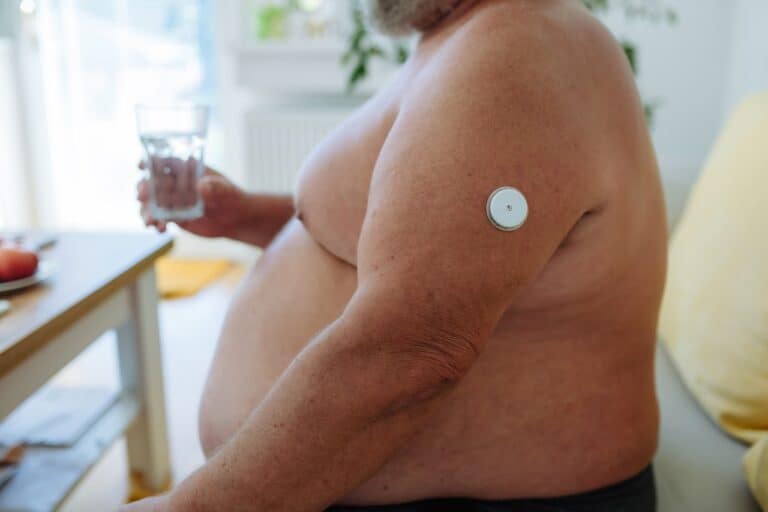
When Surgery Becomes the Best Solution
Not every patient chooses surgery, but many do after non-surgical steps fail. Surgery removes both extra gland tissue and stubborn fat in one procedure.
Gynecomastia Surgery: How Our Team Treats Obesity-Related Cases
At the Atlanta Gynecomastia Center, our surgeon tailors each approach to your chest’s anatomy. The most common gynecomastia surgery techniques involve a blend of liposuction (to remove fat) and direct excision (to remove gland tissue).
Patients who lost significant weight sometimes need skin tightening or nipple repositioning, especially if sagging bothers them. We review every aspect of your chest and help you decide if additional steps will meet your goals.
Who Makes a Good Surgical Candidate?
Good candidates are men whose weight has stayed stable for several months. Patients in good general health with realistic goals and a desire to address both shape and volume usually benefit most.
The Surgical Process and Recovery: What You Can Expect
If you choose surgery at our practice, our team guides you through every phase, from pre-op preparation to long-term follow-up.
Key Steps in Gynecomastia Surgery
Here is what our patients usually experience:
- Consultation and Planning: We review your health, take measurements, and discuss your desired outcome.
- Day of Surgery: The procedure takes place in a safe, accredited surgical suite. Most cases take about 90 minutes and use local anesthesia with sedation.
- Surgical Technique: Our surgeon removes fat with gentle liposuction. We excise dense gland tissue by making a small incision at the border of the areola, which minimizes visible scarring.
- Recovery: Most men return home the same day. You can expect to wear a compression garment for two weeks to reduce swelling.
- Back to Work and Activities: Many return to desk jobs in three to five days. Strenuous exercise resumes around three weeks after the procedure, which keeps the healing process smooth.
- Long-Term Results: Proper care and stable weight help maintain your contour for years.
Our team schedules follow-up visits and supports you during healing so your outcome matches your goals.
Maintaining Results and Preventing Recurrence
Surgical results can last for years, provided you stay mindful of weight, wellness, and specific factors that contribute to gynecomastia. At our office, we encourage every patient to adopt healthy habits that benefit the chest and overall health.
Tips to Sustain Your Chest Shape
- Stable Weight: Keep your weight steady to avoid new fat returning to the chest.
- Regular Exercise: Aim for both cardio and strength training, which help hormonal balance and skin tone.
- Healthy Eating: Choose a balanced diet with plenty of fruits, vegetables, lean proteins, and whole grains.
- Monitor Medications: Some medications associated with gynecomastia can trigger or worsen tissue growth. Always discuss new medications with your doctor first.
- Schedule Annual Checkups: Regular visits help us spot early signs of hormone changes or side effects from new health issues.
Our surgeon remains available for long-term follow-up to help you look and feel your best.
Taking the Next Step Toward Confidence
Breast enlargement in men does not just reflect cosmetic changes. It often signals hormonal shifts and health risks that deserve attention. The Atlanta Gynecomastia Center understands how obesity leads to persistent breast changes that diet and exercise sometimes cannot solve alone.
Treatment options now range from dedicated weight management to highly personalized gynecomastia surgery. Our team blends medical care with advanced procedures, so you gain both a better chest shape and renewed confidence.
If you are ready to tackle unwanted changes in your chest, connect with the Atlanta Gynecomastia Center to schedule a private consultation. We welcome your questions and look forward to helping you choose the best path for your body and peace of mind.