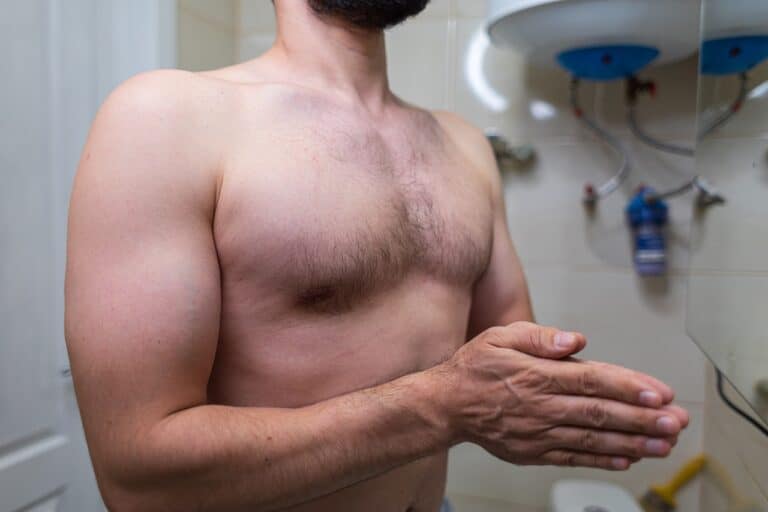

Compression Garment Timeline After Gynecomastia Surgery

Everyone who chooses male breast reduction surgery wants results that last, with a recovery that is as smooth as possible. At the Atlanta Gynecomastia Center, our surgeon works closely with patients through every stage, and proper aftercare, including wearing a compression garment, plays a key role.
This stage might seem simple, but compression can make a world of difference in healing. Knowing how long to wear your garment and why helps you feel more confident in your recovery process and maximizes your surgical outcome. Below, we break down all the key details so you can approach your gynecomastia surgery recovery with clarity and peace of mind.
Key Takeaways
Why Compression Matters After Gynecomastia Surgery
Post-gynecomastia surgery support helps your body heal in the best possible way. The gentle, even pressure from a compression garment supports your skin and underlying tissues while reducing major side effects that can impact results.
Major Benefits of Wearing Compression
A compression garment is one of the simplest but most powerful tools in your recovery. It brings several important advantages you should know about.
- Swelling management: The garment reduces fluid buildup that normally occurs under the skin after surgery.
- Skin retraction support: Compression encourages your skin to adjust smoothly to your chest’s new shape, especially following gland or fat removal.
- Contour protection: Proper pressure helps prevent unevenness or surface irregularities, which can become permanent if neglected.
- Comfort and pain relief: With support, patients report much less discomfort and feel more secure as they move around.
- Lower chance of complications: Regular use helps protect the area from trauma and reduces the risk of seroma (fluid collection) and hematoma.
With all of these benefits, it’s clear why our surgical team treats compression as a top recovery priority.
When to Start Wearing a Compression Garment
Our surgeon at the Atlanta Gynecomastia Center believes in starting postoperative care as early as possible. The timing of compression use is just as important as its duration.
Immediate Application Right After Surgery
Most of the time, our doctor will place the compression garment even before you fully wake up after surgery. This approach ensures that swelling never gets a head start and that tissues remain supported from the very beginning.
Early support has several specific advantages:
- Reduces bleeding risk: Immediate pressure limits early blood pooling.
- Decreases initial swelling: Compression helps prevent fluid buildup during the first few days, which can otherwise be substantial.
- Minimizes discomfort: Early pressure stabilizes the chest and supports sensitive tissues, making those first movements much less painful.
We encourage you to keep the garment on full-time for the first stage unless our surgeon gives other instructions.

How Long Should You Wear the Compression Garment?
Most patients want exact answers, but timing actually depends on your unique body, the surgical technique used, and your pace of healing. Still, our experience helps us offer helpful guidelines.
Standard Recommendations for Duration
Patients at our Atlanta office can expect a staged approach to compression:
- First 1–2 weeks: Wear the compression garment full time, including during sleep. Removing it only for brief showers is usually safe.
- Weeks 3–6: Continue using the garment most of the day and night, as much as possible. Our surgeon may allow you to transition to lighter support if swelling improves.
- Weeks 6–8 and beyond: Many patients move to wearing compression only when active or as needed for comfort and swelling control.
Your healing will guide us as we tailor this schedule further. Most men use strong compression for at least 4–6 weeks. Our team can adjust your plan at each follow-up appointment.
Tracking Your Progress
We monitor each patient’s healing milestones carefully. The length of compression use may change based on:
- The amount of swelling present
- How quickly your incisions heal
- The feel and tightness of your skin
- Whether the chest is smooth and free of fluid buildup
Clear progress means you could ease off compression earlier, while ongoing swelling or tissue softness may require more time.
Signs You Can Reduce or Stop Compression
Knowing when to switch from round-the-clock compression to part-time or when to stop completely should never be a guess. Our doctor will guide you based on key recovery signals.
What to Watch For
Several signs suggest your body is ready for less support. Consider these important markers:
- Minimal to no swelling: If the chest looks and feels even, and indentations from the garment fade quickly, swelling is mostly resolved.
- Secure, strong skin closure: When incisions are well healed, your skin feels firm, and movement causes no pulling or discomfort, your tissues are better protected on their own.
- Stable contour: A smooth, even chest with no lumps, dips, or lingering puffiness signals that deeper healing is nearly complete.
Clear, continued improvement is always our goal before changing the plan.
Dangers of Stopping Too Soon
Temptation to skip your garment before your body is ready can lead to setbacks:
- Delayed swelling resolution can stretch skin and change your final contour
- Early removal increases fluid risks like seroma, which may even require drainage
- Chest irregularities are harder to correct if developed during the healing phase
Our job is to help you avoid these pitfalls with a timeline tailored to your needs.
Choosing and Caring for Your Compression Garment
Your comfort and outcome depend not only on the use of a garment, but also on choosing the proper style and keeping it clean throughout recovery. The right match increases your chances for an excellent result.
Picking the Right Kind of Garment
Compression garments for gynecomastia typically cover the chest and upper waist. Select garments provide snug, even pressure while being breathable and easy to put on and take off. Features to look for include:
- Flat seams and soft material
- Adjustable closures (like hook-and-eye or Velcro design)
- Mesh or moisture-wicking fabric
We make specific recommendations for our patients based on their body size and gynecomastia surgical plan.
Caring for Your Garment
Keep garments clean and dry to prevent skin irritation or infection. Follow washing instructions closely and avoid using strong bleach or hot water. Always have at least one clean backup ready, especially in the first few weeks.
Warning Signs of a Bad Fit
Pay attention if you notice:
- Red, sore, or numb areas on the skin
- Extreme pressure or tingling
- Chafing, blisters, or rashes
A garment that is too tight can slow healing or cause permanent issues. Our clinic solves fit problems quickly, so always reach out if you are unsure.

What Can Happen if You Ignore Compression After Surgery?
Skipping or prematurely stopping compression can undermine the surgical results you worked hard to achieve. Here are the most common risks you could face.
- Increased swelling: Without support, fluid and blood easily collect under your skin, prolonging puffiness and discomfort.
- Surface irregularities: Lack of gentle pressure increases the risk of chest dimpling, waves, or persistent bulges.
- Prolonged pain: Tenderness and soreness often last longer when swelling is not controlled.
- Worse scars: Ongoing swelling stretches healing skin, which can widen or thicken scars.
- Infection risk: Moist, poorly compressed tissues may be slightly more prone to redness or delayed closure.
Our surgeon wants you to heal well and safely enjoy your new contour, and compression can help make that goal a reality.
Tips for a Smooth Recovery With Your Compression Garment
A strong recovery process depends on several choices you make every day. Adopt these essential habits for the best gynecomastia results.
Top Recommendations for Better Healing
Following these steps will help you maximize both comfort and outcome throughout the healing stage.
- Keep the garment snug but not painful: You should feel steady, gentle pressure, but if you have tingling, numbness, or significant marks on your skin, let us know.
- Wear loose outer clothing: Avoid shirts that squeeze your garment or cause bunching, which can lead to irritation.
- Review your progress regularly: Use a mirror or photos to compare swelling, and note how your chest looks and feels every few days.
- Build good hygiene habits: Clean your garments and shower regularly to prevent irritation.
- Rest and elevate as needed: While you do not need total bed rest, gentle activity and elevating your head or torso at night can help reduce swelling even further.
We check in with our patients at regular follow-ups to guide you through the process and answer any special questions that arise.
Customizing Compression Schedules to Each Patient
At the Atlanta Gynecomastia Center, we understand that everybody heals at their own pace. Some men experience little swelling and rapidly stabilize, while others need longer support to keep swelling in check and shape the chest properly.
Individual Factors Affecting Compression Needs
Your compression timeline may vary because of:
- The amount of gland, fat, or skin tissue removed
- Your skin’s natural elasticity and healing capacity
- How quickly does fluid resolve in your chest area
- Your activity level and return to physical work or sports
Our doctor tracks these specifics during in-person visits and recommends schedule adjustments to suit your changing needs.
Success Stories Show the Value of Custom Care
We have helped many men through every stage of gynecomastia recovery. Most patients who commit to consistent compression for the recommended timeframe report less swelling, smoother contours, and more confidence in their final results.
Staying in touch allows us to address concerns quickly and provide solutions if you need to use your garment longer or switch to lighter support sooner.
What Happens When the Compression Garment Comes Off?
Many patients are excited yet a bit unsure about the transition away from compression. Here’s what to expect and how to maintain your new chest once the garment is no longer part of your daily routine.
Continuing Your Recovery
Swelling may still come and go for several more weeks after you stop using compression. This is normal. Your skin will keep adjusting to your new chest contours over several months. Results continue to evolve, so patience and good self-care help you enjoy long-lasting changes.
Watching for Changes
Stay alert for swelling, redness, or other unusual symptoms after you stop using your garment. Contact our office promptly if you notice:
- New pain or unusual discomfort
- Visible new lumps, bumps, or fluid pockets
- Changing skin color or slow-healing incisions
Quick answers and reassurance are always available at the Atlanta Gynecomastia Center.
Common Questions About Compression After Gynecomastia Surgery
Patients often come to our Atlanta office with similar concerns about compression. Addressing these can relieve a lot of stress during healing.
Achieve the Best Outcome From Gynecomastia Surgery
Quality results and lasting self-confidence begin with both expert surgery and smart aftercare. At the Atlanta Gynecomastia Center, our approach to compression focuses on supporting your healing every step of the way. By using your garment for the proper amount of time, you protect your investment in a flatter, more masculine chest and minimize unnecessary risks.
We guide each patient through a custom recovery plan, making adjustments based on their progress and keeping comfort and safety at the forefront. If you have questions about gynecomastia surgery, compression, or any other part of male chest contouring, our team is ready to help. Reach out to the Atlanta Gynecomastia Center today to schedule a personal consultation and take your next step toward renewed confidence.