
Gynecomastia in Bodybuilders
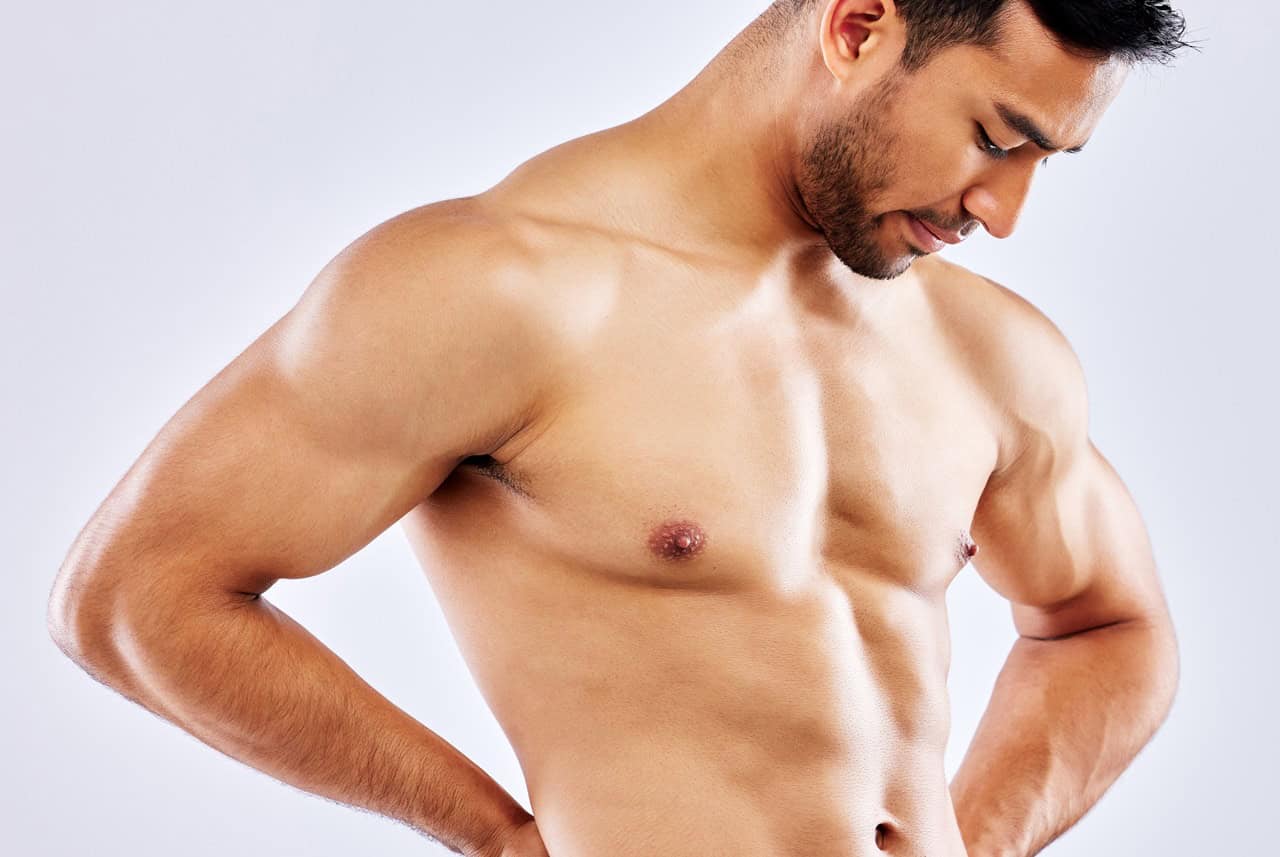
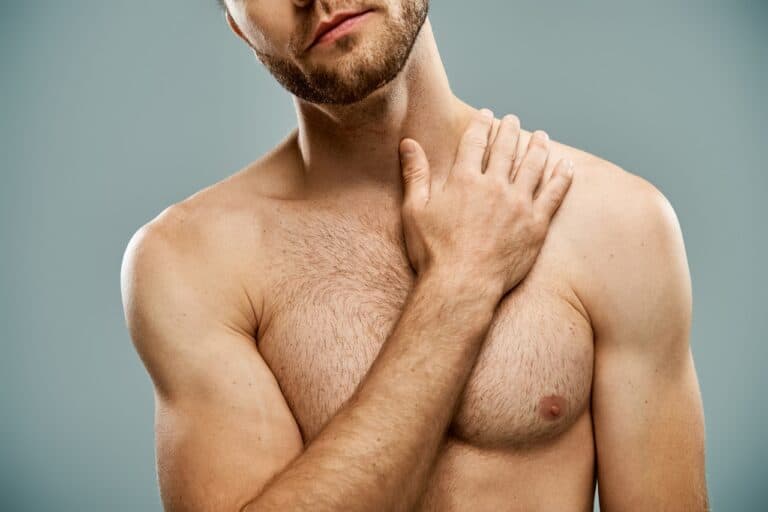
The body you work so hard for in the gym can sometimes develop changes that feel out of your control. If you notice breast tissue growth, pain, or tenderness in your chest as a bodybuilder, this experience can cause concern and even embarrassment.
At the Atlanta Gynecomastia Center, we understand how frustrating this can be for athletes who are focused on building definition and symmetry. Our team has helped many men like you regain confidence and comfort in their bodies. This article will give you the facts you need about gynecomastia in the bodybuilding community so you can make confident choices about your health and appearance.
Let’s look at why this condition happens, what your treatment options are, and how the right care can help you achieve your goals again.
Key Takeaways
What is Gynecomastia?
When balancing concerns about gynecomastia and muscle growth, it helps to realize that while muscle development alters chest shape, gynecomastia involves glandular tissue beneath the nipple that requires targeted care.
Our doctor often explains that gynecomastia is not just an increase in fat. True gynecomastia includes dense, sometimes rubbery, breast tissue that you cannot eliminate through exercise or diet. This can lead to a rounder chest, visible lumps under the areola, or even tenderness and soreness.
A Closer Look at Pseudogynecomastia
Some patients notice chest fullness due to fat deposits, which is called pseudogynecomastia. Fat alone does not cause swelling under the nipple or create firm nodules. If you pinch the chest and feel a soft, generalized texture, diet and exercise may help. On the other hand, if you feel a firm, disk-like mass under the nipple, that points to true gynecomastia.
Many bodybuilders benefit from a careful exam to distinguish between these two conditions. Our Atlanta team will help clarify which type affects you and design a custom treatment plan.
Why Bodybuilders Are at Risk
Bodybuilders can face a unique risk for gynecomastia, even with dedication to healthy living. Certain habits, supplements, and hormones often play a role. Let’s break down the factors that make gynecomastia more common among athletes.
Common Causes in Bodybuilders
Several factors combine to increase a bodybuilder’s risk of developing gynecomastia. Our surgeon frequently sees these triggers in our Atlanta clinic:
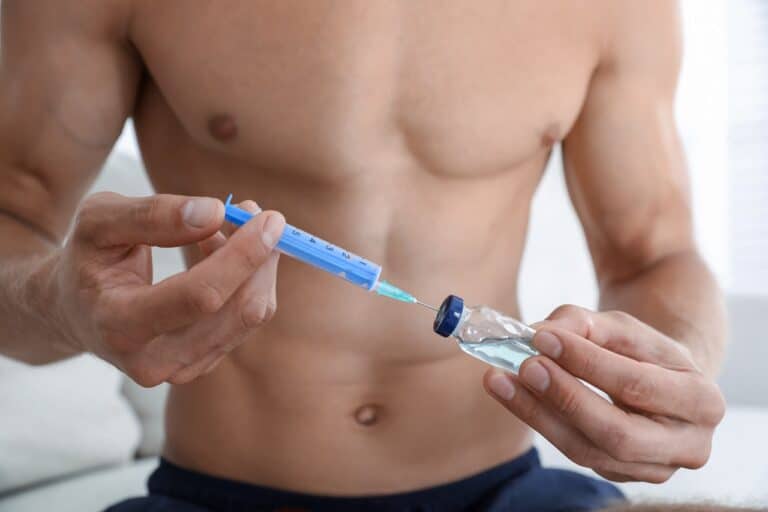
- Anabolic Steroid Use: Steroid cycles, particularly those containing testosterone or aromatizing compounds, can shift your estrogen and testosterone balance. This frequently causes breast tissue to enlarge.
- Selective Estrogen Receptor Modulators (SERMs): Some athletes use medications that block or mimic estrogen in the body, which can confuse normal hormone signaling and stimulate breast tissue growth.
- Prohormones and Over-the-Counter Supplements: These substances may claim to boost muscle mass or recovery but often influence your natural hormone production. Hidden hormones sometimes cause unexpected side effects.
- Human Growth Hormone (HGH) and Insulin-like Growth Factor (IGF-1): These products can occasionally encourage abnormal tissue growth in sensitive individuals.
- Body Fat Fluctuations: Rapid changes in weight, bulking cycles, and “cutting” phases often alter your hormone levels or make breast tissue more visible.
- Genetic Factors: Some people inherit a higher risk for gynecomastia due to genetic sensitivity, even when taking fewer supplements or medications.
- Medical Conditions: Liver, kidney, or endocrine issues sometimes cause hormonal shifts linked to gynecomastia.
If you recognize any of these risk factors in your life, watch for early warning signs and talk to our team for guidance. Addressing risks early on often prevents more serious progression.
Symptoms and Signs to Watch For
Gynecomastia in bodybuilders can show up in many ways. Even a small amount of abnormal breast tissue can feel distressing, especially when you work hard for sharp muscle definition.
Key Symptoms of Gynecomastia in Athletes
You may notice subtle or obvious changes, so keep an eye out for the following signs:
- Chest Swelling: Enlarged or more rounded appearance of the area under the nipple or areola.
- Puffy Nipples: Nipples become more prominent or swollen, even at rest or in cold temperatures.
- Tenderness or Pain: Some patients report aching or soreness, especially after chest workouts.
- Palpable Nodule: A firm, rubbery, or disc-shaped lump develops below the nipple, which feels different than muscle or fat.
- Asymmetry: One side of the chest appears larger, even if you train both sides equally.
- Emotional Impact: Many bodybuilders feel self-conscious, frustrated, or less willing to compete, even if symptoms are mild.
You may experience one or several of these signs. If you feel uncertain about what you notice, a professional evaluation ensures you get the right diagnosis and support.

Diagnosis: Getting an Expert Opinion
Our Atlanta Gynecomastia Center surgeon takes a detailed medical approach to diagnose gynecomastia in athletes.
What Happens During Evaluation
We begin with a thorough health and medication history. You should feel comfortable talking about steroid use, supplements, and changes you have noticed in your body. We focus on creating a judgment-free, respectful environment for every patient.
A physical exam follows. The doctor assesses the tissue around your nipples, the quality of your skin, and overall chest contour. Palpation of the breast area detects glandular tissue as opposed to fat.
Imaging studies, such as ultrasound or mammogram, may enter the picture in rare or unclear cases. Most patients receive a clear diagnosis based on the exam and history alone.
Laboratory tests sometimes help to check hormone levels or rule out underlying health disorders when symptoms seem unexplained or severe.
Differentiating Gynecomastia and Muscle Growth
Many bodybuilders feel unsure about what counts as “normal” enlargement from working out. Our surgeon knows how to tell the difference so you get answers, not guesswork. When glandular tissue is present, further treatment options may be required.
Treatment Options for Gynecomastia in Bodybuilders
Several paths exist for managing gynecomastia, but the best course depends on your health, the amount of tissue, and your goals.
Medical Treatments: When Are They Effective?
Medication sometimes helps in very early gynecomastia. For example, drugs that modulate hormones can block further breast tissue growth if started within the first few months of symptoms.
Medications usually have limited benefit for patients with long-standing gynecomastia or significant tissue. Most athletes who come to our Atlanta center after several months (or years) of symptoms see only minor improvement with these drugs.
Our surgeon will discuss these options if your condition is new and mild. However, most bodybuilders require a more definitive approach for lasting results.
Surgical Solutions: The Gold Standard
For men who want a sculpted chest and reliable correction, gynecomastia surgery offers the best outcome. Our surgeon uses two main gynecomastia correction techniques:
- Glandular Tissue Removal: A small incision near the edge of the areola allows removal of glandular tissue. This leaves the underlying muscle visible and restores natural contour.
- Liposuction: In some cases, liposuction removes excess fat to smooth the transition between the edges of muscle and skin for an even appearance.
Our Atlanta surgical team chooses a personalized technique based on the amount of glandular tissue, skin quality, and your body goals.
What to Expect from Surgery
Surgery occurs as an outpatient procedure with local anesthesia and light sedation for most cases. You return home the same day. Most patients notice an immediate improvement in chest contour.
Scars are very small and typically hidden along the border of the areola, so they fade with time. After 3 to 4 weeks, most athletes return to light gym work, increasing effort stepwise as healing continues.
Recovery After Gynecomastia Surgery
The healing period after gynecomastia surgery shapes your final results and your long-term comfort. Our surgeon explains what you can expect at each stage.
Normal Recovery Timeline
Most bodybuilders feel ready for most daily activities within three to five days after surgery. We recommend waiting three to four weeks before returning to upper body workouts or heavy lifting.
Swelling and mild soreness may last for up to two to three weeks. Compression garments support your chest during this time and reduce fluid buildup. Most bruises fade in about a week.
Tips for a Smooth Recovery
You can take the following steps to speed up the healing process and lower complications:
- Follow Postoperative Instructions: Care for your incisions, take any prescribed medication, and attend all follow-up visits.
- Wear Compression Garments: This helps reduce swelling and keeps your new chest contour in place.
- Start Moving Early: Gentle walking and basic movement prevent blood clots and support safe healing.
- Eat a Nutritious Diet: Protein, vitamins, and hydration all contribute to wound repair and lower the risk of infection.
- Avoid Smoking and Alcohol: These substances interfere with wound healing and increase complications.
Our staff will support you every step and answer questions during your recovery journey.
Potential Risks and Complications
No surgery comes without risks, but complications from gynecomastia surgery remain rare in healthy athletes. Our surgeon takes measures to reduce all potential problems, and most side effects resolve quickly with prompt care.
Common Risks and How We Address Them
- Swelling and Bruising: These symptoms are expected and usually subside within two to three weeks.
- Scar Formation: Most scars are nearly invisible after 6 to 12 months. Our approach places incisions in discreet areas.
- Contour Irregularities: Rarely, irregularities or residual tissue require revision for ideal symmetry.
- Infection or Bleeding: We use sterile techniques and detailed postoperative instructions to minimize these risks.
- Changes in Sensation: Temporary numbness or tenderness sometimes occur near the incision site but usually improve within several weeks.
You should report any unexpected symptoms, such as fever, rapid swelling, or persistent pain, right away. Addressing issues early leads to a safer, smoother outcome.

Prevention and Future Planning
While not all cases of gynecomastia can be prevented, smart choices can help lower your risk moving forward.
Guidelines for Lowering Your Risk
Make informed decisions to protect your chest contour and maintain muscle definition:
- Limit Anabolic Steroid Use: If you must use steroids, work with a healthcare professional to monitor hormone levels and minimize cycles.
- Be Cautious with Supplements: Only use supplements from reputable sources and research any hormone-related ingredients.
- Monitor Changes Closely: If you notice swelling, lumps, or pain in your chest, seek evaluation promptly.
- Watch Body Fat Levels: Avoid rapid and extreme bulking or cutting, as these changes can affect hormone balance.
- Maintain a Healthy Lifestyle: Adequate sleep, stress management, and balanced nutrition all support a steady hormone environment.
With the right approach, you protect the results of your surgery and keep future risks low.
Achieve the Strong, Defined Chest You Deserve
As a bodybuilder, you put tremendous effort into sculpting every muscle. Gynecomastia can feel discouraging because it hides your hard work behind a layer of unwanted tissue. The Atlanta Gynecomastia Center believes every man deserves to feel proud of his physique, on and off the stage.
Gynecomastia in bodybuilders is common, but you do not have to accept it as part of your path. Early recognition and the right medical care can restore both your confidence and your classic chest contour.
Our team combines expertise with understanding, so you feel comfortable from the first consultation through every step of your recovery. Reach out today to schedule your private assessment at our Atlanta office and start your journey towards a chest you feel good about. Your goals matter, and our support is here for you.