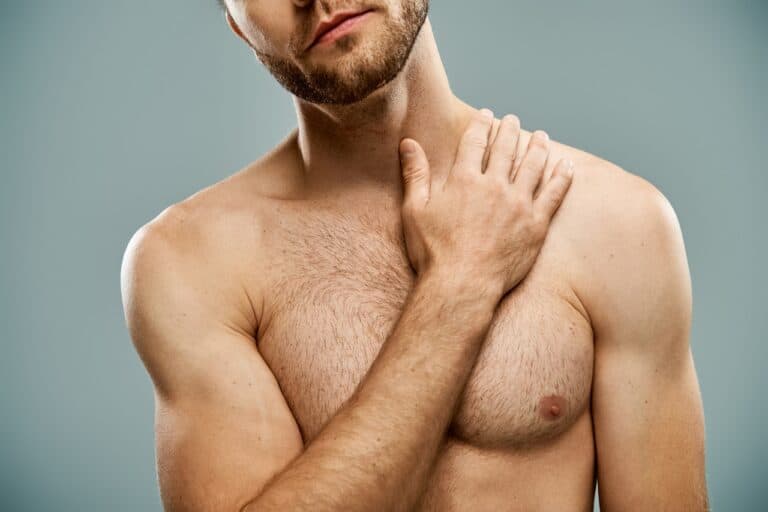

Can You Still Build Muscle with Gynecomastia?

Gynecomastia and muscle growth are two topics that often spark questions for men who want to look and feel their best. Anyone working hard in the gym deserves to know how gynecomastia might affect muscle building and what can help maximize results. At the Atlanta Gynecomastia Center, we regularly help patients tackle these questions while guiding them toward their personal goals.
You can make much smarter decisions about your fitness and appearance when you know how gynecomastia and muscle gain connect. With so much information online, getting trusted answers from professionals is essential. This article takes you step by step through everything you need to know for your best results.
Key Takeaways

A Clear Guide to Gynecomastia and Its Causes
Learning about what gynecomastia is and how it happens helps clear up confusion for many patients. Our surgeon at the Atlanta Gynecomastia Center often sees men who are unsure about their condition and its impact on muscle growth.
Defining Gynecomastia and Its Features
Gynecomastia refers to an enlargement of glandular breast tissue in males. This is different from fat buildup in the chest, which is often called “pseudo-gynecomastia.” The main feature of true gynecomastia is a firm, sometimes rubbery mass that often appears under the nipple area.
This tissue forms because of a hormonal imbalance, usually when estrogen levels rise or testosterone levels drop. Gynecomastia can affect one or both breasts and might happen for a variety of reasons.
Common Causes and Risk Factors
Several triggers can spark gynecomastia, either alone or together.
- Hormonal changes: Puberty, aging, and certain health conditions can shift hormone levels, causing tissue growth.
- Medications: Some common drugs, including certain anti-androgens, antibiotics, and heart medications, can have gynecomastia as a side effect.
- Health conditions: Thyroid disorders, liver disease, tumors, or kidney failure sometimes lead to hormonal imbalances.
- Substance use: Alcohol, marijuana, anabolic steroids, and some supplements can influence hormone production.
- Obesity: Body fat has an enzyme that can convert testosterone into estrogen, and these lower testosterone levels worsen breast enlargement.
Recognizing the cause of gynecomastia helps guide treatment and improves long-term outcomes. Our surgical team can help identify any underlying health issues before recommending a plan.
Muscle Building With Gynecomastia: What To Expect
Many men with gynecomastia want to know if their condition will limit their muscle gains. Good news: gynecomastia does not stop muscle fibers from growing.
How Muscle Growth Works
Muscle building depends on resistance training and enough calories and protein in your diet. When you challenge the muscles with weights, the fibers break down and rebuild stronger. Hormones like testosterone, growth hormone, and insulin-like growth factor all play roles in this repair and growth.
While gynecomastia relates to changes in hormones, it does not usually lower testosterone at levels that would block muscle growth, as most men with the condition maintain normal or only slightly altered hormone levels. However, for those addressing low baseline levels, undergoing TRT may lead to gynecomastia.
Effects on Chest Appearance
Though muscle will grow, gynecomastia might make you feel that progress is hidden or less visible. The extra glandular tissue and potential fat in the chest area can blunt the look of growing pectoral muscles. For some men, this makes the chest look rounder or fuller instead of defined.
Impact on Motivation and Performance
Increased chest size from gynecomastia might cause self-consciousness in the gym or in public. This can lower confidence or motivation for some people, but muscle growth itself continues if training and nutrition remain consistent.
The Role of Exercise for Men With Gynecomastia
Physical activity remains just as important for men with gynecomastia as for anyone wishing to gain muscle and improve health. Our surgeon recommends a balanced exercise program for optimal chest muscle development and overall fitness.
Best Types of Exercise for Muscle Development
Strength training is the main pathway to muscle gains for any individual. Focus on large, compound movements targeting the chest, shoulders, arms, and back.
Helpful chest workouts for muscle growth include:
- Barbell Bench Press: This classic lift uses heavy resistance to stimulate thick muscle fibers in the chest.
- Dumbbell Flyes: By stretching and contracting the pecs deeply, flyes shape the chest muscles.
- Incline Press: Working the upper pecs, this move builds fullness and balance in the chest.
- Push-Ups: A versatile bodyweight exercise, push-ups help round out any routine and boost endurance.
Our surgeon also notes the importance of training the whole upper body, not just the chest, to keep the body in proportion.
Cardio for Overall Health
Cardiovascular workouts remain essential, even during muscle building, as they support heart health and body fat regulation. Treadmill running, swimming, cycling, or even brisk walking a few times weekly preserves heart function and can help with mild chest fat.
Benefits Beyond Appearance
Exercise does far more than shape the chest. It can lift mood, relieve stress, and support hormone balance. Regular activity also helps reduce body fat, which can worsen the look of gynecomastia if left unchecked.

Nutrition and Hormonal Health for Muscle Gain
Eating well is just as important as working out. Our surgical team always encourages patients to think about their diet when pursuing muscle development or reduction of gynecomastia symptoms.
Fundamentals of Nutrition for Muscle Growth
Building muscle requires a mild calorie surplus focused on lean proteins, healthy fats, and whole carbohydrates.
- Protein: Chicken, turkey, fish, lean beef, eggs, beans, and dairy products support muscle repair.
- Complex carbohydrates: Oats, rice, sweet potatoes, and whole grains provide the energy needed for effective workouts.
- Healthy fats: Nuts, seeds, olive oil, avocados, and fatty fish keep hormones in balance and improve recovery.
Staying hydrated helps prevent muscle cramps and supports recovery after exercise.
Hormones and Their Effects
Food choices can impact hormone levels. Limiting processed foods, sugar, and excess trans fats helps keep estrogen and testosterone at favorable levels, which is a supportive step when addressing low testosterone levels. While diet alone will not reverse gynecomastia, a smart nutritional plan helps reduce excess chest fat and supports muscle development.
Our surgeon sometimes screens for hormone imbalances as part of a full assessment when gynecomastia is first diagnosed.
Surgical Solutions for Persistent Gynecomastia
Exercise and diet can help shape the underlying muscle but do not remove glandular breast tissue. At the Atlanta Gynecomastia Center, our surgeon sees many men who have tried conservative measures but still feel unhappy with the look of their chest. Surgical correction remains the only definitive way to eliminate gynecomastia permanently.
Surgical Options for Gynecomastia
Depending on your specific needs, our surgeon may recommend one or more types of procedures:
- Gland Excision: The doctor removes dense breast gland tissue through a small incision, usually placed at the edge of the areola for minimal visibility.
- Liposuction: If extra fat is present, liposuction can contour the chest, making the area look flatter and more muscular.
- Combined Approach: Some men achieve the best result through both gland excision and liposuction, especially if the tissue is both glandular and fatty in nature.
Each surgery is tailored to your unique anatomy and goals. Our surgical team will review your medical history and desired outcome before making a plan.
What to Expect After Surgery
Patients usually return home the same day. Chest swelling, minor bruising, and tightness are common for the first few days but improve with proper care.
Most men return to light activity within about a week. Our doctor usually allows return to exercise after three to four weeks, with heavy chest workouts postponed until cleared in follow-up visits. As healing progresses, definition in the chest becomes more noticeable, with glandular tissue no longer covering muscle gains.
Addressing Emotional and Social Concerns
Gynecomastia affects confidence and mental health just as much as physical appearance. Our Atlanta team emphasizes the emotional side when counseling patients.
Confidence and Body Image
Many men develop concern over wearing fitted shirts or going shirtless at pools or the gym. This self-consciousness sometimes limits social activity or leads to the avoidance of certain situations, and in severe cases, it can cross into Body Dysmorphic Disorder (BDD) if the preoccupation with chest appearance becomes obsessive and deeply disruptive to daily life.
When men work hard in the gym but do not see the expected chest changes, disappointment can add to frustration. Open conversation helps patients sort out what changes are possible through exercise alone and where surgery can step in.
Mental Health and Self-Esteem
Feelings of embarrassment or distress can build up if gynecomastia remains unaddressed. These emotions can chip away at self-esteem and even lead to anxiety or depression. Our doctor often refers men to counseling resources when needed.
We encourage our patients to remember that gynecomastia is a medical condition. Reaching out for help, whether through fitness coaching or surgery, reflects a positive step forward.
Frequently Asked Questions: Muscle Building and Gynecomastia
Here are answers to some of the questions our patients ask most often about muscle building and gynecomastia. Please note that direct questions and context from your consultation provide the most tailored guidance.

Next Steps for Muscle Growth and Chest Confidence
Clear options for muscle building make all the difference for your long-term satisfaction and well-being when you live with gynecomastia. You now know that gym progress remains possible, even with glandular breast tissue present, and that healthy lifestyle choices support both muscle and hormonal health.
Sometimes, despite the best efforts in the gym and kitchen, true glandular breast tissue continues to limit the chest appearance you want. At this point, surgical removal offers a safe and permanent solution that lets your muscle work shine through. Our doctor in Atlanta will guide you with personal care and expertise each step of the way.
If you would like professional advice about your chest development or want to find out which treatment aligns with your goals, we welcome you to contact the Atlanta Gynecomastia Center. Reach out to schedule your discreet and informative consultation. Our team stands ready to help you feel confident and comfortable in your body.