

Where Are Gynecomastia Surgery Scars Located?
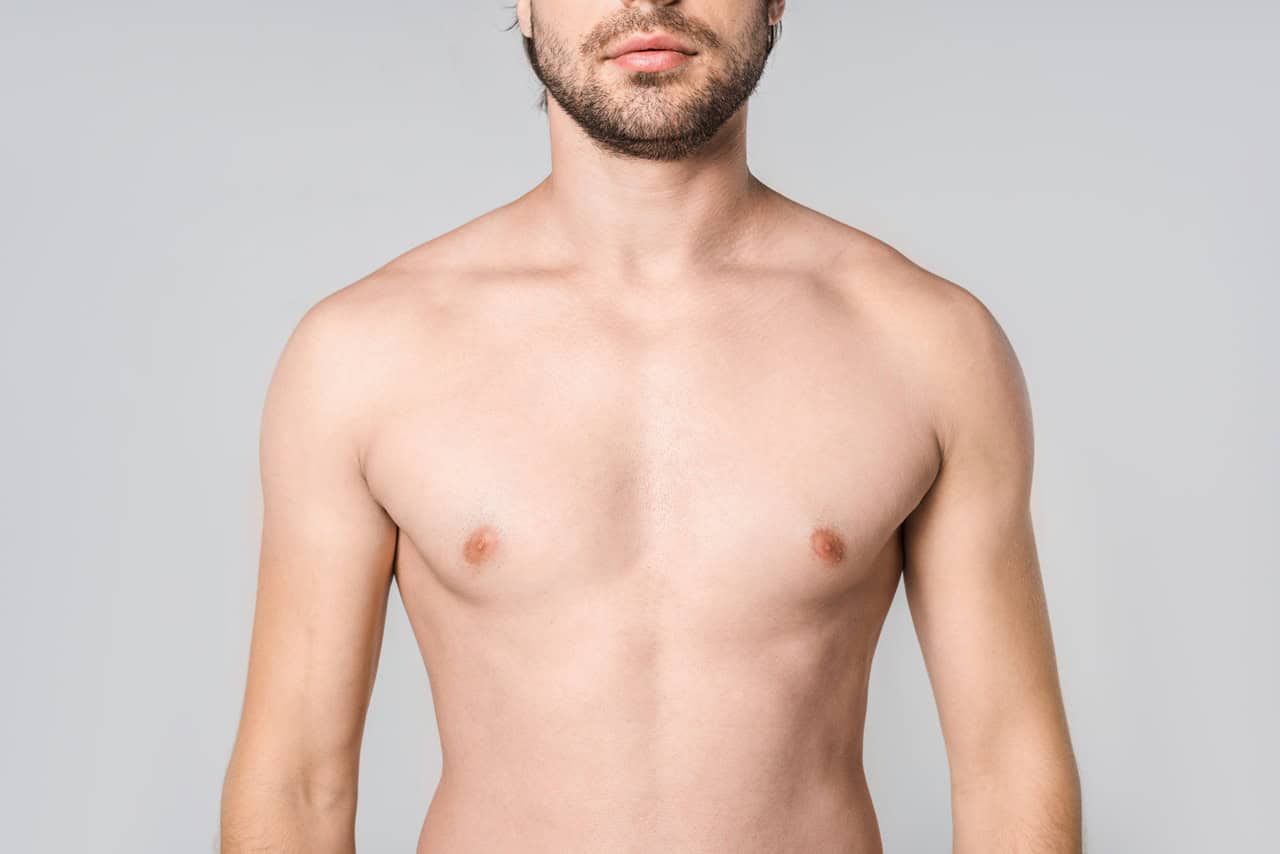
Gynecomastia surgery can help patients achieve a flatter and more masculine-looking chest. At the Atlanta Gynecomastia Center, our surgeon carefully plans the procedure to create the best possible results while keeping scars as discreet as possible.
For many people, the location and appearance of surgical scars are an important part of their decision-making process. Knowing what to expect can help you feel informed and reduce anxiety before your surgery. Let’s discuss where gynecomastia surgery scars are found, why incision choices matter, and how our team designs each surgery for minimal scarring.
Key Takeaways
Gynecomastia Surgery Techniques and Incision Locations
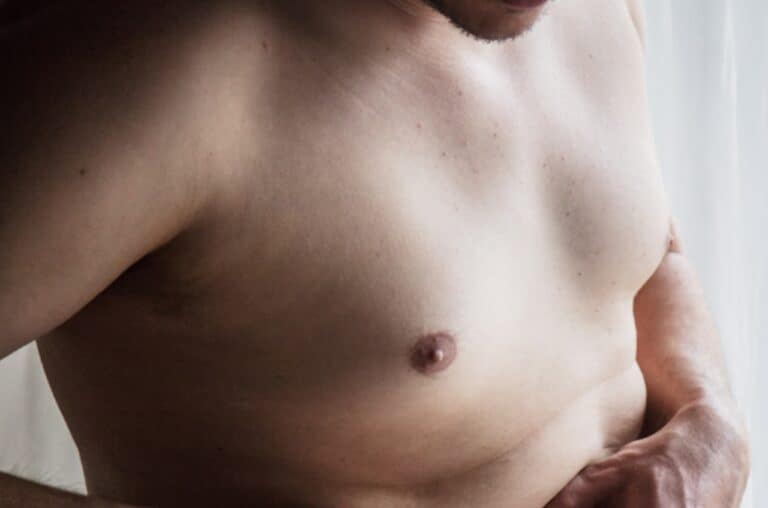
Gynecomastia describes enlarged male breast tissue, and surgery aims to remove glandular tissue, fat, or both. At our practice, the procedure takes an individualized approach based on your needs.
Common Surgical Methods
Our surgeon selects between two main methods for gynecomastia correction based on your chest:
- Liposuction: For cases with mostly fatty tissue and good skin elasticity, liposuction removes excess fat through small incisions.
- Excision Surgery: If there is excess glandular tissue or loose skin, the doctor uses a scalpel to remove tissue directly.
Sometimes, both methods are combined to address complex cases with both glandular and fatty overgrowth.
Why Scar Location Matters
Scar location is more than just a cosmetic concern. Where the surgeon places incisions controls not only appearance but also access to the tissue and the quality of surgical results.
Well-positioned scars can also blend with natural contours, making them less noticeable during daily life.
Where Are Gynecomastia Surgery Scars Located?
Not every gynecomastia surgery leaves scars in the same place or size. Our Atlanta surgical team always aims for the smallest, least visible scars possible.
Periareolar Incision Scars
The most common location for gynecomastia surgery scars is along the edge of the areola. The areola’s natural color transition hides incisions very effectively.
Our surgeon usually makes a semi-circular or crescent-shaped cut along the lower half of the areola. This scar tends to blend well with the skin over time and can become nearly invisible for many patients.
Incisions Beneath the Chest
Some men have larger amounts of glandular tissue or extra skin that require a different approach. In these cases, the doctor may create an incision where the lower chest meets the chest wall, a natural crease.
Scars in this position are usually hidden under the shadow of the pectoral muscle, especially when the chest is viewed straight on.
Small Incisions for Liposuction
If liposuction is part of your surgery, the incisions are smaller and located away from the areola. Our surgeon uses thin cannulas that fit through 3mm to 5mm openings, which can sit just outside the areola, in the armpit, or near the chest crease.
Since these incisions are so small, they often fade very well after complete healing.
Factors That Influence Scar Placement
Several important factors affect where scars will appear following gynecomastia surgery.
Extent of Tissue Removal
When the procedure only needs mild fat removal, our doctor can use small, hidden entry points. In cases with large amounts of breast gland tissue or extra skin, larger or longer incisions may become necessary to achieve smooth results.
Areola Size and Shape
A larger areola offers more space to hide a well-placed incision around its border. Smaller areolas can limit this, so our team may pick an alternative site to avoid distortion.
Patient Skin Type and Healing
Every person’s skin heals differently. Patients with darker skin, prone to keloids, or with certain genetic traits might require modifications to incision design or placement.
Previous Surgeries or Scarring
Patients who have had previous chest or breast surgery may need unique scar placement to avoid crossing old scars or creating unnecessary tissue tension.
Knowing all these influences allows our Atlanta surgeon to design a surgery plan unique to your anatomy and goals.
Benefits and Drawbacks of Scar Locations
Patients often want to know which incision type is “best.” The answer depends on your unique situation. Here is a comparison of the most common options and their pros and cons.
Periareolar Scars
Scars around the edge of the areola are the most popular. They usually heal well and are camouflaged by the natural color change between the areola and chest skin.
Patients usually feel confident with this option because the incision is easy to conceal.
However, in rare cases, the scar can be slightly lighter or darker than the surrounding skin, especially right after surgery.
Inframammary Scars (Chest Crease)
When an incision at the breast fold is needed, it tends to remain hidden in the shadow of the natural crease. This method provides good access for removing excess skin and more tissue.
As the chest moves, this area stays mostly covered by clothing and body position.
The main drawback is that the scar sits directly on the chest, which may concern men who often go shirtless or want no visible sign of surgery.
Liposuction Entry Points
Small incisions for liposuction offer the least noticeable scars. These tiny scars often shrink considerably, sometimes appearing as faint dots.
This approach is only possible when the skin has enough elasticity to retract on its own, and there is not too much glandular tissue.
Choosing the Right Technique for Minimal Scarring
Our surgeon’s goal is always to balance the best chest contour with the smallest and best-hidden scars possible.
How We Decide on Incision Placement
- Individual Chest Anatomy: Our doctor inspects the amount of glandular and fatty tissue and the position of the areola to design an incision plan.
- Skin Quality: Good skin tone lets us use smaller or fewer incisions. Loose skin may call for longer cuts along the chest.
- Desired Outcome: Some patients want an extremely “invisible” chest, while others prioritize flattening over scar location.
Our Atlanta surgical team discusses every option in detail so you know exactly what to expect.
Techniques Our Surgeon Uses to Minimize Scarring
- Precise Suturing: Our surgeon closes wounds with careful, layered sutures, which give the best possible chance at a thin, low-profile scar.
- Strategic Incision Placement: We design incision lines to follow the natural contours and color edges of your chest so scars are less obvious.
- Advanced Technology: We may use highly refined liposuction tools or specialized blades to reduce tissue trauma, which leads to smoother healing.
By combining these techniques, we can usually deliver a result that balances contour with scar camouflage.
Scar Healing and Care After Surgery
Scars evolve during gynecomastia recovery, so it helps to know the timeline and the simple steps you can take to support healing.
How Scars Change Over Time
Right after surgery, scars may appear pink or raised. Over three to six months, they tend to fade and flatten as collagen remodeling occurs within your skin.
At one year, many patients find their scars have faded to a pale line or blend almost completely with the surrounding skin. Some individual variation is normal.
Tips for Healthy Scar Minimization
Following our aftercare instructions at the Atlanta office is a key part of successful healing. Here are some important steps:
- Keep Incisions Clean: Wash with mild soap and pat the area dry to keep infection risk low.
- Apply Scar Care Products: Our surgeon may recommend silicone sheets or gentle ointments to help soften and flatten scars.
- Protect from Sun Exposure: Direct sun can darken fresh scars. Cover scars or use SPF if you will be outdoors.
- Avoid Stretching the Area: Heavy lifting and vigorous chest movement in early healing can widen scars.
As scars mature, massaging the area with lotion and keeping skin moisturized may further improve appearance.
These steps make a difference in how well your chest heals and how unobtrusive scars look long term.
How Our Team Minimizes Gynecomastia Scarring
Our approach to gynecomastia surgery always begins with personalized planning to reduce scars as much as possible. Here is a summary of how our process unfolds:
- Consultation and Exam: Our surgeon listens to your concerns, evaluates chest anatomy, and discusses incision options with you.
- Incision Mapping: We use a marker on the skin just before surgery to design precise incision paths that line up with your chest contours.
- Advanced Surgical Technique: During the operation, careful tissue handling and meticulous closure methods support optimal healing and minimal scarring.
- Education and Follow-Up: Our doctor provides scar care instructions and monitors healing during your post-operative visits to catch any concerns early.
Through every step, our Atlanta team keeps the focus on your specific goals for a flatter, masculine chest with natural-looking results.
The Psychological Benefit of Well-Placed Scars
More than physical changes, gynecomastia surgery can help patients feel more confident about their bodies. Well-placed, discreet scars are a crucial part of long-term satisfaction.
Familiarity with surgical scar placement ensures realistic expectations, allowing you to focus on your recovery without unnecessary worry. Many of our patients report feeling relieved and pleased once scars fade into the natural lines and color of their chest.
An open conversation with our surgeon during consultation ensures your priorities regarding scars are heard and respected at every stage.

Scar Prevention Myths: What Really Matters
Several popular claims exist about “scarless” gynecomastia surgery. While our surgical tools and techniques produce extremely fine scars, every surgery that breaks the skin leaves at least a small mark.
What truly matters is the combination of careful surgical design, advanced tools, and your diligent post-surgical care. No lotion or topical cream can erase a scar entirely, but these steps work together to ensure they fade as much as possible.
Trust in well-trained hands and honest advice when considering any gynecomastia correction.
Frequently Asked Questions About Gynecomastia Scars
Before moving forward, many patients have specific questions about scarring. Here are answers from our Atlanta Gynecomastia Center team to some of the most common concerns.
Planning for Surgery With Confidence
Learning about gynecomastia surgery scars is an important step toward making an informed choice. At the Atlanta Gynecomastia Center, our surgeon understands that both chest shape and scar location contribute to long-term happiness with your results.
You deserve a chest that looks natural in clothing and on the beach. With careful planning, skilled technique, and excellent aftercare, most patients find their surgical scars are barely noticeable as time passes.
If you are considering gynecomastia correction and want to understand how scars may appear in your unique case, our Atlanta team welcomes your questions. Schedule a consultation with our surgeon to learn more about incision placement, healing, and all your options for achieving a flatter, more confident chest.
