

Managing Swelling and Bruising After Gynecomastia Surgery
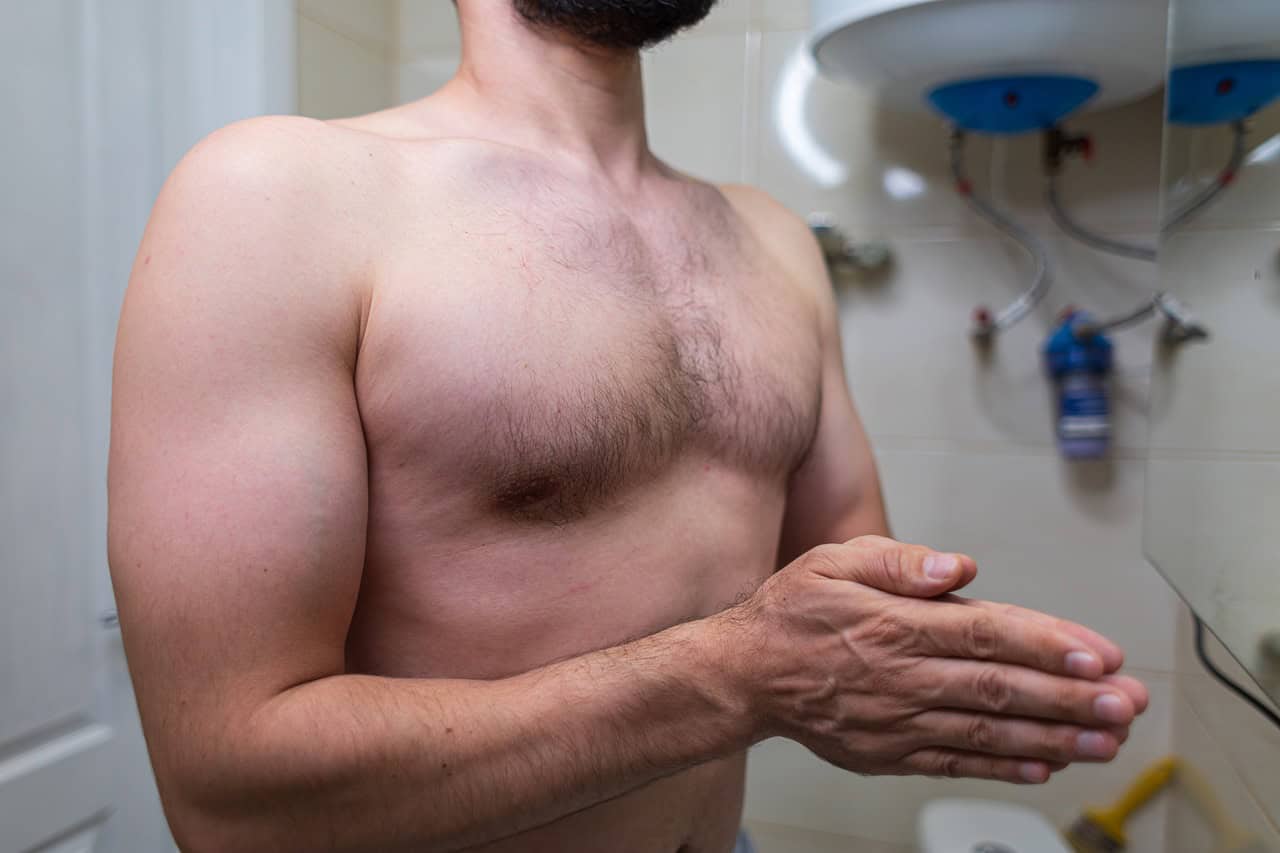
Gynecomastia surgery can dramatically improve chest contours and restore confidence. However, managing swelling and bruising in the days and weeks after surgery is one of the most important steps for a smooth recovery. At the Atlanta Gynecomastia Center, our surgical team ensures that every patient feels supported as they recover and understands how to promote optimal healing.
Swelling and bruising are entirely normal parts of surgical recovery and can cause discomfort and concern if not managed properly. Clear guidance from experienced professionals will help you navigate the healing process after your procedure. The information below covers important steps, tips, and timelines so you know what to expect and how best to care for yourself as you heal.
Key Takeaways

Understanding Swelling and Bruising After Surgery
A clear understanding of why swelling and bruising occur after gynecomastia surgery will allow you to approach healing with realistic expectations. Both symptoms arise as natural responses to surgical intervention, and the body uses these processes to protect and repair tissues.
What Causes Swelling?
Swelling occurs as extra fluid builds up in the tissues around the chest following surgery. This happens because surgical instruments, even when used carefully, disrupt tiny blood vessels and tissue planes.
The body responds by sending inflammatory cells to heal these areas. Since fluid leaks out from healing capillaries into the space between cells, the chest area may look or feel puffy. Some tightness may also accompany this swelling, and mild discomfort is typical at this stage.
The peak period for swelling usually occurs within the first 48 to 72 hours after your procedure. It gradually subsides over the following weeks as the tissue repair process continues.
Why Does Bruising Develop?
Bruising develops when small blood vessels break during surgery and blood seeps into the surrounding tissue. This trapped blood changes color as red blood cells break down, first appearing as red or purple, then fading to yellow or green as it heals.
Bruising often appears more pronounced in the days after surgery and might spread downwards from the incision sites due to gravity. The size and intensity of bruises can vary based on surgical technique and individual healing patterns. Furthermore, the severity of gynecomastia, categorized by the grade of breast tissue enlargement, often dictates the extent of the procedure and the subsequent amount of bruising expected.
Bruising almost always improves within two to three weeks as the body clears away blood products and tissue inflammation decreases.
When to Expect Swelling and Bruising
Most swelling and bruising show up within hours of the operation, build to a peak within two or three days, and begin to resolve steadily after one week. You may still see subtle swelling and faint bruises several weeks later, but these are generally mild and manageable.
Every patient’s timeline may differ, but the above pattern covers the vast majority of gynecomastia surgery experiences. Consistent post-operative care will shorten recovery and minimize discomfort while helping to optimize cosmetic results.
Proven Techniques to Minimize Swelling and Bruising
Managing your symptoms requires a multi-pronged approach that combines at-home care and guidance from your surgical team. Each method makes a unique contribution to your recovery. Because different gynecomastia types, such as pseudogynecomastia, require different surgical approaches, our team will tailor these minimization techniques to your specific case.
The Role of Compression Garments
Compression vests are a key tool for controlling swelling and bruising after gynecomastia surgery. To ensure proper recovery, our surgeon fits each patient with a specialized garment and provides clear guidelines on compression garment wear after gynecomastia surgery immediately following the procedure.
This vest applies gentle, consistent pressure across the chest area. The pressure helps prevent excess fluid from accumulating, thereby reducing swelling. Consistent use also prevents the buildup of blood that leads to large or lingering bruises.
Patients receive clear instructions on when and how to wear these garments. Typically, full-time wear is required for at least two weeks, followed by a gradual reduction as healing progresses. You should not remove the compression vest except during gentle cleaning unless directed by your surgeon.
Applying Cold Compresses
Applying cold compresses across the chest in the initial 48 hours after surgery can significantly decrease swelling and discomfort. Cold reduces inflammation by narrowing blood vessels and limiting fluid leakage into the tissues.
You should wrap a soft cloth around cold packs to protect your skin, using them in intervals of 15-20 minutes at a time. Never apply ice or cold packs directly to bare skin to avoid frostbite or burns.
Rotate cold compresses several times each day, focusing on the most swollen areas, especially during the first two days of recovery. After the initial post-operative period, warm packs can be soothing, but always confirm timing and method with our surgical team.
Elevation to Reduce Swelling
Keeping your chest above the level of your heart as much as possible will decrease swelling. Resting or sleeping with two to three pillows propped behind your back offers gentle yet effective elevation.
This position supports the lymphatic system in removing excess fluid from the surgical area, and many patients report less tightness and pressure. Avoid lying flat for extended periods, as this can lead to increased fluid accumulation and discomfort.
Medication Support
Effective pain management and inflammation control involve both prescribed and over-the-counter medications. At our office, patients receive clear instructions about which medications to use, at what intervals, and for how long.
Medications may include:
- Prescription pain relievers: Help manage discomfort in the first few days, especially if tenderness or tightness interferes with sleep or rest.
- NSAIDs (nonsteroidal anti-inflammatory drugs): These can control both pain and swelling when directed by your doctor. However, some NSAIDs may increase bruising, so follow your surgeon’s guidance closely.
- Antibiotics: Used as prescribed to prevent infection and further complications, especially after tissue handling during surgery.
Never mix or substitute medications without speaking with our doctor or nurse, as some drugs may interfere with healing or thin the blood.
Activities and Lifestyle Changes During Recovery
The way you move, rest, and care for yourself during the weeks after surgery can greatly influence the speed of recovery and comfort as you heal. Thoughtful modifications promote optimal results and help limit unnecessary swelling or bruising.
Limiting Physical Activity
We strongly recommend that patients avoid strenuous activities in the first two weeks after gynecomastia surgery. This includes vigorous exercise, lifting heavy objects, or repetitive arm movements that stress the chest muscles.
Strenuous activity increases blood flow to the area, which may worsen swelling and risk reopening healing blood vessels. Even non-exercise activities that involve significant arm elevation or chest tightening should be avoided early in recovery.
We generally recommend gentle walking around the house to improve circulation, avoid blood clots, and promote general well-being. Any return to routine fitness activity, physical work, or upper body exercise should be gradual and guided by our surgical team.
Avoiding Harmful Habits
Many lifestyle habits influence healing and the development of swelling or bruising after surgery. For optimal results, you should:
- Refrain from smoking: Nicotine constricts blood vessels and slows tissue repair, which may worsen swelling.
- Limit alcohol use: Alcohol can increase bruising risk by thinning blood and impairing healing responses.
- Eat a nutrient-rich diet: Foods high in vitamin C, protein, and zinc support wound healing processes and reduce inflammation.
Avoiding excessive caffeine and salty foods may further prevent water retention and discomfort. Learn more about post-gynecomastia surgery nutrition.
Dressing and Hygiene Considerations
Proper wound care and dressing maintenance will keep your incision areas clean and protected. Our surgeon provides specific guidelines for wound cleaning, showering, and garment changes.
Use gentle antibacterial soap and soft cloths when cleaning. Avoid scrubbing or submerging the incision areas in baths, hot tubs, or pools until wounds have fully closed. Careful skin hygiene prevents infection and supports healthy healing.
Timeline of Swelling and Bruising Resolution
While everybody heals at their own pace, you can expect most cases to follow a familiar pattern. Understanding this timeline will set realistic expectations and minimize worry as recovery progresses.
Common Phases of Recovery
As you move through your recovery, swelling and bruising typically follow these phases:
- First 48-72 hours: Swelling and bruising reach their peak, and some discomfort is normal.
- Day 4 to one week: Both symptoms begin a slow but noticeable decline, with bruising changing colors as it heals.
- Week 2: Swelling is usually localized and mild, and most bruising has faded considerably.
- Weeks 3-6: Subtle, residual puffiness or faint discoloration may persist, but will continue to improve month by month.
By closely following your surgeon’s instructions and staying consistent with all aftercare measures, you can accelerate progress through each recovery phase and avoid complications.
Signs Your Recovery May Not Be Normal
Although swelling and bruising are expected after gynecomastia surgery, certain symptoms should prompt you to contact our office for a prompt evaluation. Unusual symptoms may point to more serious problems such as a hematoma, infection, or allergic reaction.
Common warning signs include:
- Rapidly increasing swelling: This may indicate a fluid or blood collection.
- Severe or sudden pain: Especially when associated with increased tightness or firmness of the chest.
- Persistent redness or warmth: Spreading redness, excessive warmth at the surgical site, or pus-like drainage are signs of infection.
- Shortness of breath or chest pain: Though rare, these symptoms require immediate medical attention and should not be ignored.
If you notice any symptoms that seem excessive or worsen instead of improving, please contact our team at the Atlanta Gynecomastia Center as soon as possible.
Monitoring and Supporting Long-Term Healing
Commitment to a proper post-operative routine serves you well even after the first few weeks have passed. Minor swelling can linger for several months, though this rarely interferes with daily activities or final results.
Maintaining Skin and Scar Health
Long-term healing includes attention to the quality of the scar and firmness of the overlying skin. You can minimize visible scarring and achieve the smoothest possible results by:
- Moisturizing daily with gentle, fragrance-free creams or ointments that won’t irritate healing skin.
- Shielding scars from the sun by wearing protective clothing or applying physician-approved sunscreen if exposures outdoors are unavoidable.
- Using silicone-based scar sheets or gels when cleared by our surgeon to flatten and lighten incision marks.
Skin hydration also helps reduce itchiness and discomfort as nerves heal.
Long-Term Compression Advice
Some patients benefit from light compression for several additional weeks, especially if swelling seems persistent or worsens with activity. Our surgeon can guide you on a safe, gradual reduction of compression vest use based on your progress during follow-up appointments.
Listen to your body and stay in communication with our office as healing continues. Gentle massage or lymphatic drainage, when cleared by our team, may help speed up the clearance of persistent swelling in certain cases.
When to Return to Normal Activities
Returning to work, sports, gym activities, or strenuous exercise is an important milestone. However, you must do so gradually.
You may resume light daily activities within one week if discomfort is mild and swelling is controlled. Plan to wait at least three to six weeks before moderate or intense chest workouts. Always check with our doctor before returning to demanding activities, as premature exertion can trigger new swelling or disrupt wound healing.
Patience in the early phases pays off in the long run. Most men enjoy excellent results, a smoother chest, and improved confidence by following recovery recommendations closely.
When to Contact the Atlanta Gynecomastia Center
Ongoing support is available at every stage of your recovery. Our doctor and team remain available for questions, reassurance, or concerns about your symptoms. If you experience unusual or persistent swelling, bruising, bleeding, pain, or any of the warning signs discussed earlier, notify our office promptly.
Routine follow-up visits help us track your healing and provide reassurance. During your initial planning phase, we also provide a transparent breakdown of gynecomastia surgery costs, to ensure that follow-up care and recovery support are clearly understood as part of your investment.
Setting Yourself Up for Successful Recovery
Managing swelling and bruising after gynecomastia surgery requires a mix of simple home care, attentive self-observation, and close communication with your surgical team. By understanding what to expect, following your aftercare instructions carefully, and making thoughtful adjustments to your daily habits, you create the conditions for a smooth and comfortable recovery.
Our Atlanta-based team at the Atlanta Gynecomastia Center is dedicated to supporting you throughout each stage of your surgical journey. If you have questions about your progress or need expert reassurance at any point, reach out to us for guidance. New and returning patients can contact our office to schedule a consultation and get the answers they need about gynecomastia surgery and recovery.