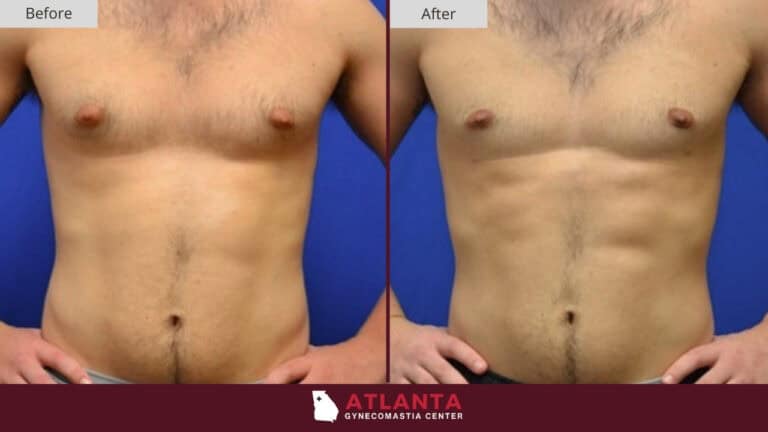
Gynecomastia surgery is a big step, and recovery is where your results start to take shape. The first few days can feel tight and sore, but that is part of the normal healing process.
Each week gets a little easier as swelling improves and you start moving more comfortably. Here is what you can expect and how to handle each stage the right way.
The First 24 Hours at Home
The first day after surgery is all about rest and managing discomfort. You may be tired from the anesthesia, sore from the procedure, and adjusting to the compression garment. This is normal.
Pain management is your top priority. Take your prescribed pain medication as directed, even if you don’t feel terrible. Staying ahead of the pain is easier than trying to catch up once it gets bad.
Have your caregiver help you with basic tasks like getting food, retrieving medications, and reaching items. Don’t lift your arms overhead or strain yourself trying to be independent too soon.
Sleep elevated with your upper body propped up at about 30-45 degrees. Use pillows behind your back or sleep in a recliner if you have one. This position minimizes swelling and makes breathing more comfortable.
The compression garment stays on continuously except for brief showers once cleared. It will feel tight and restrictive, but that pressure is essential for reducing swelling and helping your skin conform to your new chest shape.
Your Recovery Timeline
Recovery from gynecomastia surgery follows a fairly predictable pattern, though individual healing varies. Here’s what most men experience at each stage.
Your chest will be swollen, tight, and sore during these first few days. You’ll see drainage on the compression garment, which is normal as excess fluids work their way out. Pain medication keeps discomfort manageable, and you’ll spend most of your time resting. Light walking around the house prevents blood clots and helps with circulation, but avoid any real activity.
Soreness decreases noticeably by the end of the first week, and you’ll have more energy to move around. Most men can return to desk work after about a week, though you’ll still need to avoid lifting your arms overhead or doing anything strenuous. You can usually shower by this point, but the compression garment goes right back on afterward. Swelling peaks around day three to five and then starts improving.
Your energy returns to normal levels and daily tasks become much easier. Bruising fades significantly while swelling continues decreasing gradually. You’ll still wear the compression garment as directed, typically full-time for the first two weeks and then part-time. Light walking and gentle movement are encouraged, but no upper body exercise, heavy lifting, or strenuous activity yet.
Most of the visible swelling has resolved by this point, and your chest shape looks more defined. You can typically resume light cardio like walking on a treadmill or using a stationary bike. The compression garment may only be needed during portions of the day now. You’ll have a follow-up appointment to assess your healing and get clearance for increased activity.
Any remaining swelling disappears and your incision lines continue fading. You can return to all normal activities including upper body weight training and contact sports once cleared. Your chest continues refining as tissues settle into their final position. Results look increasingly natural as everything heals.
Your final results are fully visible once all healing completes and tissues have settled completely. Incision lines have faded significantly and will continue improving for up to a year or more. Your chest maintains its new masculine contour permanently as long as you avoid significant weight gain or substances that trigger gynecomastia.
Gynecomastia Surgery Recovery
Although the above gives a general overview of a post-gynecomastia-surgery timeline, it doesn’t account for everything that might happen after your surgery. Here is some more helpful information.
While surgeons often opt for anti-nausea anesthesia, nausea can still occur due to medications like painkillers and antibiotics. In these cases, your surgeon may prescribe anti-nausea meds to help.
During your gynecomastia surgery recovery, maintaining proper hydration is key. Be sure to drink plenty of fluids, especially during the initial weeks post-surgery. Keeping yourself well-hydrated supports your body’s healing process and overall recovery.
For the first two weeks post-surgery, it’s crucial to refrain from strenuous activities, including lifting, exercise, and sexual activity. However, it’s beneficial to engage in light activities such as short walks in the evening. These gentle movements help promote proper blood circulation, which aids in your recovery process.
It’s important to refrain from driving for at least three days following your surgery. Additionally, if you’re still taking pain medication beyond this period, it’s advisable to continue avoiding driving until you’ve stopped taking the medication altogether.
In the initial 2-3 days following surgery, it’s advisable to refrain from showering altogether. After this period, you can resume showering, but remember to remove your compression vest beforehand.
After gynecomastia surgery, the incisions made by your surgeon will typically be sutured. In many cases, our surgeons use sutures that are designed to dissolve on their own over time, eliminating the need for removal. Additionally, surgical tape is often applied over the incisions to provide further support and protection during the initial stages of healing.
Returning to work after gynecomastia surgery depends on the nature of your job. For office or remote work, you may resume within three days post-surgery. However, if your job involves physical activity, it may require a bit more time. Depending on the intensity, it could take up to two weeks before returning to work.
Returning to exercise after gynecomastia surgery requires a gradual approach. Lower-body exercises can resume in about two weeks, while upper-body exercises may need to wait 6-8 weeks. After three months, all exercises, including high-impact ones, are typically permitted. It’s important to listen to your body and avoid overdoing it. If you feel chest discomfort during exercise, take it as a sign to slow down.
To promote optimal healing, it’s best to avoid direct sunlight on your incisions for at least three months post-surgery. While it’s possible to expose the wounds to sunlight after six weeks, it’s not recommended. If unavoidable, apply sunscreen with at least SPF15 to the incisions to protect them from potential damage.
Managing Common Side Effects
Gynecomastia surgery comes with predictable side effects that are part of normal healing. Here’s what to expect and how to handle them.
Swelling: Your chest will be swollen for several weeks, with the worst swelling in the first few days. The compression garment helps minimize this, and keeping your upper body elevated reduces fluid accumulation.
Bruising: Yellow, purple, and green bruising is completely normal and often spreads down to your abdomen due to gravity. This looks alarming but isn’t dangerous. Bruising peaks around day three and fades over two to three weeks.
Drainage: Clear or slightly bloody fluid draining from incision sites or collecting in the compression garment is normal for the first few days. Change the absorbent pads as needed and watch for signs of infection.
Numbness: Temporary numbness in your chest and nipples is extremely common because small nerves get disrupted during surgery. Sensation typically returns gradually over weeks to months.
Tightness: Your chest will feel tight and restricted, especially with the compression garment on. This sensation is normal and decreases as swelling resolves and tissues relax.
Fatigue: Your body is using a lot of energy to heal, so feeling tired for the first week or two is expected. Rest when you need to and don’t push yourself to return to normal activity too quickly.
Tips for the Best Recovery
Your recovery period is critical for achieving the best possible results. Here’s how to manage it properly.
Take medications: Don’t skip doses or try to tough it out
Sleep elevated: This significantly reduces swelling
Wear compression: It’s the biggest factor in your final contour
Walk daily: Light movement prevents blood clots and helps healing
Protein-rich foods: Your body needs protein to help heal
Stay hydrated: Hydration supports circulation and tissue healing
Avoid nicotine: Even secondhand smoke impairs healing for weeks
Be patient with results: Swelling takes months to fully resolve
Protect scars: UV exposure can darken them permanently
Communicate with Us: Call with questions rather than guessing
Gynecomastia Surgery Recovery FAQs
We get a lot of questions about what recovering from gynecomastia surgery is like. Here are some answers to the most frequently asked questions.
While you may start feeling better within a few weeks after gynecomastia surgery, full recovery typically takes several months. However, you can usually resume your normal daily activities within 4-6 weeks post-surgery. Note that you might need to wait a little while longer to engage in extensive exercise.
You should wear your compression garment continuously, except during showers, for at least 4 weeks post-surgery. For optimal results, continue wearing it half-day for an additional 2 weeks. This garment aids in reducing swelling and supports proper healing.
With the use of a compression garment, you should notice a gradual decrease in swelling during the 4-6 weeks following gynecomastia surgery.
Following gynecomastia surgery, it’s crucial to sleep on your back for at least three days to promote optimal healing and minimize discomfort in the treated area. Sleeping at a 45-degree angle can further support the healing process and alleviate any potential discomfort. This position helps reduce pressure on the surgical site and ensures proper blood circulation.
The timeline for resuming exercise after gynecomastia surgery varies depending on the intensity of the activity. Lower-body exercises can typically be resumed around two weeks post-surgery, while upper-body and high-intensity activities may need to wait until around two months.
Once fully healed, you can start chest exercises like flys, bench presses, and push-ups to sculpt your chest. Cardio activities such as running, swimming, or HIIT can also help tone your physique overall.
After gynecomastia surgery, it’s important to avoid strenuous exercise, heavy lifting, and direct sun exposure. Additionally, refrain from scratching or picking at incisions and be sure to wear the compression garment as directed by your surgeon.
At the Atlanta Gynecomastia Center, we prioritize delivering exceptional care from your initial consultation to your recovery and beyond. We deeply value the trust you place in us and are committed to upholding the highest standards of patient care. Our team, led by board-certified gynecomastia plastic surgeon specialists, is devoted to achieving optimal outcomes for each individual. Recognizing that every person is unique, we personalize our approach to meet your specific needs. Whether you have questions or are ready to schedule your in-person or virtual consultation, please don’t hesitate to contact the Atlanta Gynecomastia Center today. We’re here to support you every step of the way!